

Venezuela Frees Dozens of Political Prisoners After Interim Leader's Talks With Trump, but Calls for Elections Intensify
Venezuelan authorities have freed dozens of political prisoners in a move that human rights organizations say signals a possible shift in the country's approach to dissent, just da
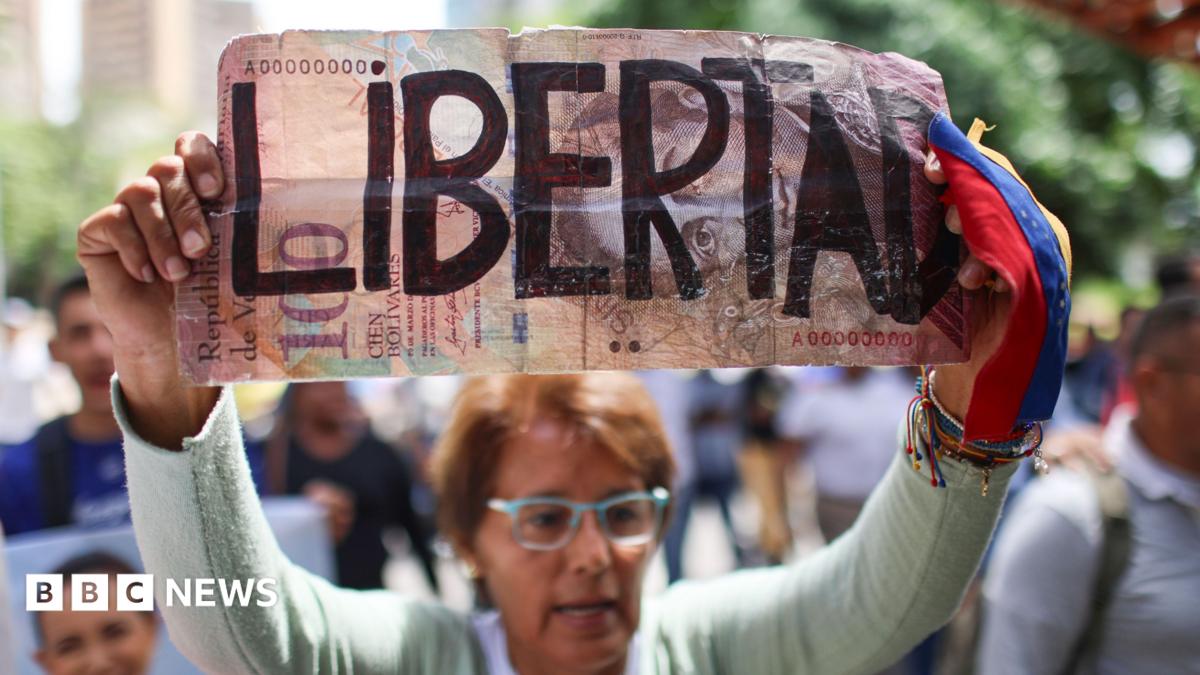
Venezuelan authorities have freed dozens of political prisoners in a move that human rights organizations say signals a possible shift in the country's approach to dissent, just days after interim President Delcy Rodríguez held a high-profile meeting with US President Donald Trump in New York. The releases, which took place in the early hours of Saturday morning, have reignited long-standing demands from opposition figures and rights advocates for free and fair elections in the South American nation.
Among those confirmed released by the rights group Foro Penal was Wilder Vasquez, who had been serving a five-year sentence handed down in 2018 over allegations that he was involved in a plot to assassinate former President Nicolás Maduro. The release of Vasquez and others marks one of the most significant prisoner releases in recent months, following a pattern of detentions that critics have long described as politically motivated.
Gonzalo Himiob, vice-president of Foro Penal, said a "significant number" of political prisoners had been released on Saturday morning from several detention centres across Venezuela. The group confirmed the release of Miguel Castillo Cedeño, who had been arbitrarily detained since June 2019 according to the organization's records. Also freed was Frank Cabañas, who rights groups say had spent nine years in prison after being linked to the death of a police officer. Foro Penal noted that Cabañas was the only suspect who remained detained in that case, despite family members reporting that he had been suffering from health problems last year.
The releases come in the wake of Rodríguez's meeting with Trump at the United Nations General Assembly on Tuesday, a encounter that has drawn both praise from government loyalists and sharp criticism from opposition voices. Opposition figures have renewed their calls for free elections following the talks, viewing the diplomatic engagement as an opportunity to push for democratic reforms that have been sidelined for years.
Rodríguez's administration had previously released hundreds of prisoners as part of a reconciliation effort following Maduro's removal from power earlier this year. However, the pace of releases slowed dramatically in April after Rodríguez publicly stated that the scheme was "coming to an end." The decision drew criticism from opposition and human rights groups, with Foro Penal estimating that the program was halted before less than half of the nation's political prisoners had been freed.
The Venezuelan government has not issued any statement concerning the latest releases, nor has it indicated whether they were connected to Rodríguez's conversation with the US president. The silence from official channels has left observers speculating about the motivations behind the timing of the releases and whether they represent a genuine shift in policy or a tactical gesture aimed at improving relations with Washington.
For years, opposition and human rights organizations have accused Maduro's government of using the detention of political prisoners as a tool to stamp out dissent and silence critics. The practice was widely condemned by international bodies, which documented cases of arbitrary detention, mistreatment, and lack of due process. Rodríguez has sought to frame her interim government as more permissive of political dissent while simultaneously courting favour with the United States.
The prisoner release scheme was a key concession made by her administration to the US, part of a broader effort to normalize relations and secure diplomatic recognition. However, Rodríguez's decision to end the program attracted significant backlash from those who saw it as a betrayal of promises made to both the Venezuelan people and the international community. The latest releases may be an attempt to mitigate that criticism while maintaining a delicate balance between domestic hardliners and foreign expectations.
Venezuelan Interior Minister Diosdado Cabello, a figure closely associated with Maduro's authoritarian rule, characterized the interim president's meeting with Trump as "a great triumph of the diplomacy of peace." His comments reflect the government's narrative that engagement with the US represents a path toward stability and reconciliation, rather than a concession to external pressure.
But opposition voices expressed their disapproval over the meeting, viewing it as a snub of their calls for swift elections—calls that the US had previously endorsed. Pedro Mario Burelli, a former executive of Venezuela's state oil company and a prominent opposition commentator, described the two leaders as "the shameless puppet and her unscrupulous and undignified puppet-master," adding that "little has changed in Venezuela under Washington's clumsy and selective oversight." His remarks underscore the deep frustration among opposition supporters who feel that diplomatic engagement has prioritized stability over democratic principles.
Venezuela's last elections, held in 2024, were widely disputed as rigged after Maduro was declared the winner. Opposition tallies suggested their candidate—who stood in place of María Corina Machado after she was barred from running—had won by approximately 70% of the vote. The disputed election results triggered widespread protests and international condemnation, further isolating Maduro's government and setting the stage for his eventual removal.
Despite the contested electoral history, the Trump administration backed Rodríguez, Maduro's former vice-president, as his successor rather than throwing its support behind opposition leader María Corina Machado after Maduro was seized and put on trial on drug charges in January. Analysts at the time interpreted this decision as the US choosing short-term stability in Venezuela until elections could be held, a pragmatic approach that has since drawn scrutiny from those who argue it legitimizes a government with deep ties to the previous authoritarian regime.
Rodríguez used her UN General Assembly speech on Thursday to reiterate that there "will be elections in Venezuela," though she stopped short of specifying when they would take place. Her vague commitment has done little to satisfy opposition demands for a clear timeline and transparent process. The lack of specificity has fueled concerns that elections may be delayed indefinitely while the interim government consolidates power and navigates its relationship with Washington.
The coming weeks will be critical in determining whether the latest prisoner releases represent the beginning of a broader opening or merely a temporary gesture. For the families of those still detained, the releases have brought relief and renewed hope, but also a measure of uncertainty about what comes next. Human rights groups continue to call for the release of all political prisoners, while opposition leaders insist that free elections remain the only path to a legitimate and lasting resolution of Venezuela's political crisis.
What's Your Reaction?
 Like
0
 Dislike
0
 Love
0
 Funny
0
 Wow
0
 Sad
0
 Angry
0

Editor Investigasi. Pemenang penghargaan jurnalisme investigasi. Spesialisasi: korupsi, kolusi, dan maladministrasi.






Comments (0)