

Ghana Arrests Seven Women Over 'Money Bouquets' as Central Bank Cracks Down on Currency Misuse
Ghanaian police have arrested seven women accused of crafting decorative bouquets out of the country's banknotes, in what the Bank of Ghana has described as the most significant en
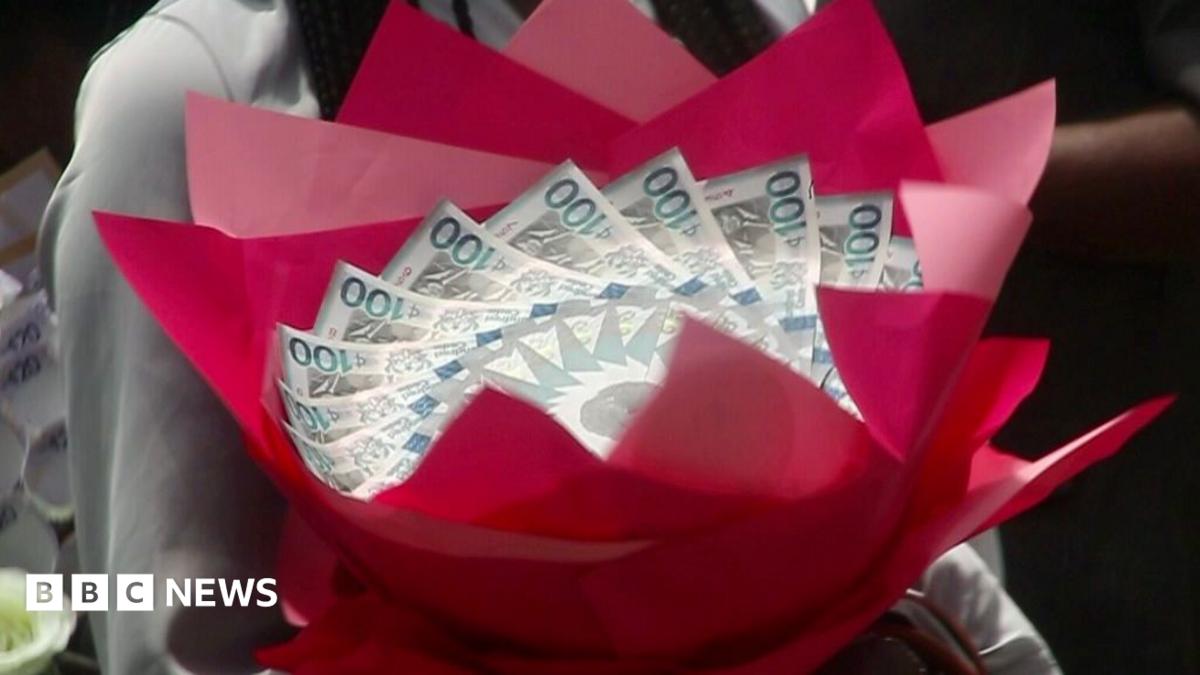
Ghanaian police have arrested seven women accused of crafting decorative bouquets out of the country's banknotes, in what the Bank of Ghana has described as the most significant enforcement action yet against the practice of misusing the national currency. The arrests, carried out in the capital Accra, mark a sharp escalation in the central bank's efforts to deter the growing trend of turning cash into ornamental gifts.
The operation was launched after authorities received a tip-off, which led to a coordinated swoop on the suspects. According to the Bank of Ghana, the women are alleged to have been selling money bouquets in various parts of Accra. The seven are expected to face prosecution, and if convicted, could be subject to a fine or a prison term, with the specific penalty to be determined by the courts. The exact charges and court dates have not yet been made public, as police say investigations are still ongoing.
The central bank has taken a firm stance on the matter, asserting that using the cedi, Ghana's national currency, for decorative purposes constitutes illegal misuse and improper handling. In July, the Bank of Ghana issued a public notice explicitly warning that such activities could amount to an offence. That notice cautioned against "acts that tend to depreciate or impair the national currency, including any conduct that undermines its lawful value or use."
Dinah Bonzi, an official in the Bank of Ghana's currency department, reinforced that message following the arrests, stressing that the cedi is legal tender and must be treated with respect. "The Ghana cedi is legal tender… and must be treated with respect. The misuse or abuse of the currency is an offence and may attract sanctions under the law," she said. She added that the arrests should serve as a clear warning to the public, urging Ghanaians to "handle the Ghana cedi with dignity."
Bonzi also indicated that the crackdown would not be limited to those who physically assemble the bouquets. Anyone found aiding or promoting such activities could equally face arrest and prosecution, she warned. This broad interpretation of the law means that clients who commission money bouquets, event planners who facilitate them, and social media vendors who advertise them may all be exposed to legal risk.
The practice of making money bouquets and decorating cakes with banknotes has become increasingly popular in Ghana in recent years, particularly as a gift for weddings, birthdays, graduations, and other celebratory occasions. The arrangements typically involve folding or rolling up cedi notes and wrapping them in decorative paper, creating a floral-like presentation. The trend has gained a foothold not only in Ghana but across several other African countries as well.
The Bank of Ghana has repeatedly warned against a range of activities involving the cedi, including "spraying," the practice of throwing money at events such as weddings, as well as writing on or altering banknotes and using them in decorations. These warnings reflect a broader concern among central banks about protecting the integrity and public perception of national currencies.
Similar concerns have been raised elsewhere on the continent. In recent years, authorities in Kenya, Nigeria, South Africa, and Botswana have all issued warnings against misusing their respective national currencies. In February, Kenya's central bank explicitly cautioned that banknote bouquets could land individuals in jail. Nigeria has also grappled with its own wedding-related dilemma over the practice of throwing cash in the air, a custom that has raised both legal and social questions.
For Ghana's central bank, the arrests represent a pivotal test of its ability to enforce currency regulations in an era when social media and informal vendors have made money decorations more visible and commercially viable. The bank has invested significant effort in public education campaigns, but the persistence of the practice suggests that warnings alone have not been sufficient.
Legal analysts note that prosecuting such cases could be complex. Courts will need to determine whether the defendants' actions meet the threshold for "misuse" under Ghanaian law, and whether the penalties imposed will be proportionate. The outcome of these cases could set an important precedent for how aggressively the central bank pursues similar violations in the future.
The arrests have also sparked debate among Ghanaians, with some arguing that the practice is a harmless cultural expression of affection and celebration, while others support the central bank's position that the currency should be handled with respect. Social media has been abuzz with reactions, ranging from surprise at the severity of the response to calls for clearer public education on what constitutes lawful use of the cedi.
The Bank of Ghana has indicated that it will continue to monitor the situation and work with law enforcement to curb currency abuse. For now, the seven women remain in custody or on bail pending further investigation, and their cases will be watched closely as a gauge of how far Ghana is willing to go to protect its currency's dignity. The central bank's message is unambiguous: the cedi is not a decoration, and those who treat it as one may pay a price.
What's Your Reaction?
 Like
0
 Dislike
0
 Love
0
 Funny
0
 Wow
0
 Sad
0
 Angry
0

Editor Investigasi. Pemenang penghargaan jurnalisme investigasi. Spesialisasi: korupsi, kolusi, dan maladministrasi.



Comments (0)