

White House Contends Trump Was Warning About Iran, Not Inviting Attack, After Rally Remark About LA and San Diego
A remark by Donald Trump suggesting Iran could strike Los Angeles and San Diego has triggered a sharp political confrontation, with California leaders denouncing the president's wo
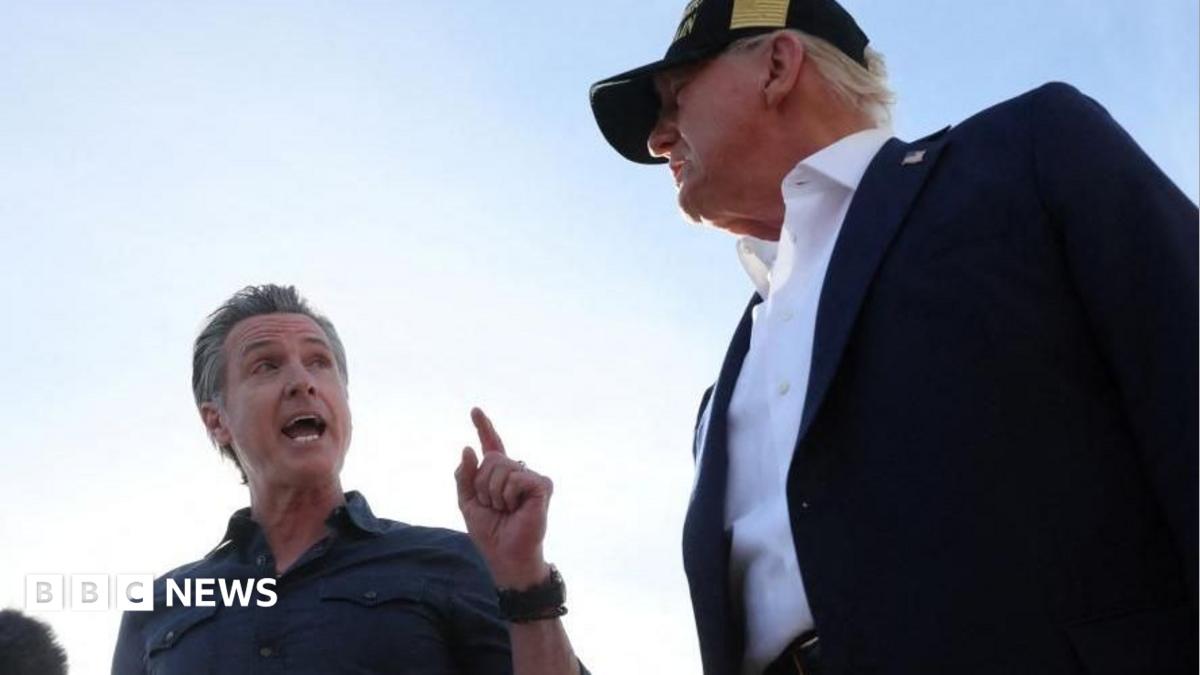
A remark by Donald Trump suggesting Iran could strike Los Angeles and San Diego has triggered a sharp political confrontation, with California leaders denouncing the president's words as dangerous while the White House insists he was making a case for his earlier military action against Tehran rather than inviting an attack on American soil.
Speaking at an election campaign rally in Nebraska, Trump discussed the conflict with Iran and framed the costs of the confrontation as justified. "It's a small price to pay for keeping the world safe, keeping our country safe. They can take out a city. Let them take out Los Angeles, let them take out San Diego," he said, according to accounts of the event. Portions of the audience responded with cheers when the two California cities were mentioned.
The comments quickly drew condemnation from California Governor Gavin Newsom, who called them "deranged and dangerous." Los Angeles Mayor Karen Bass characterized the remarks as threats and said they amounted to an attempt to "encourage attacks on American lives." San Diego Mayor Todd Gloria wrote on X that his city should not be treated as collateral damage and urged Trump to keep it out of what he called "reckless war talk."
Newsom later shared a Los Angeles Times article about the episode on his official governor of California X account, describing the comments as "disgusting and disqualifying." Trump has not yet publicly responded to the criticism from California's elected leaders.
Both cities cited in the remark host significant US military infrastructure, a fact that gave the episode added weight. San Diego, roughly 17 miles from the Mexican border, is the eighth-largest city in the country and serves as the home port of the US Navy's Pacific Fleet at Naval Base San Diego. It also hosts Naval Amphibious Base Coronado, the principal West Coast training center for Navy SEALs, and Marine Corps Base Camp Pendleton, where about 70,000 service members and civilians work.
Los Angeles, located about 120 miles north of San Diego and the second most populous city in the United States, is home to the headquarters of the US Space Force's space systems command as well as Los Angeles Air Force Base. Together the two metropolitan areas represent a substantial concentration of America's military and defense assets on the West Coast.
The White House rejected the interpretation put forward by Newsom, Bass and others, arguing that Trump was describing a threat that would have existed had his administration not acted against Iran. White House Communications Director Stephen Cheung wrote on X that the "media freakout" over the remarks was "not rooted in reality," adding that Trump "was clearly stating US cities would have been threatened if a nuclear Iran hadn't been stopped." Cheung further asserted that "America is safer because of the President" and that Iran now has "no nuclear, no navy, no air force, and no money."
The official White House rapid response account on X also weighed in, calling Los Angeles Times journalists who covered the comments "buffoons" and disputing the characterization offered by the California officials. The account said Trump was arguing that the United States is fighting "to STOP Iran from having the ability to take out LA and San Diego with a nuclear weapon — which they would if they had the chance."
The president and other administration officials have consistently maintained that disrupting Iran's nuclear program was essential to US national security and that any fallout from the conflict was a necessary cost. That framing is central to the White House's defense of the rally remark, which officials present as a warning about the consequences of inaction rather than a literal invitation for Iran to attack American cities.
The exchange is the latest chapter in a long-running public feud between Trump and Newsom, who is widely seen as a possible Democratic presidential contender in 2028. Last year Trump called Newsom incompetent, accusing him of failing to respond adequately after anti-immigration enforcement protests in Los Angeles turned violent. Newsom, in turn, accused Trump of a "brazen abuse of power" after military personnel were deployed to secure federal buildings during those protests.
The two have also clashed on a personal level. Earlier this year, Trump mocked Newsom's dyslexia, saying presidents should not have learning disabilities, a comment that drew criticism from dyslexia advocacy organizations. The two men met in January when Trump visited California after the state was hit by wildfires, a moment captured in photographs of the pair shaking hands on an airport tarmac.
The rally remark now adds a national security dimension to a rivalry that has mostly played out over domestic policy, disaster response and immigration enforcement. By invoking two of California's largest cities in the context of an Iranian strike, Trump drew attention to the vulnerability of major urban centers that house critical military installations, while his critics argued he treated the prospect of an attack on American civilians too casually.
The White House's pushback reflects the administration's broader effort to control the narrative around the Iran conflict, which it presents as a defensive necessity. Whether that explanation will quiet the controversy remains uncertain, particularly in California, where officials from both the governor's office and the state's major cities have already made clear they view the president's words as unacceptable.
What's Your Reaction?
 Like
0
 Dislike
0
 Love
0
 Funny
0
 Wow
0
 Sad
0
 Angry
0

Editor Investigasi. Pemenang penghargaan jurnalisme investigasi. Spesialisasi: korupsi, kolusi, dan maladministrasi.






Comments (0)