

Trump Signs AI Self-Regulation Pact and Orders 'Super Intelligence' Rebrand at White House Tech Summit
US President Donald Trump convened a gathering of the country's most powerful technology executives at the White House on Tuesday, an event he described as an extraordinary meeting
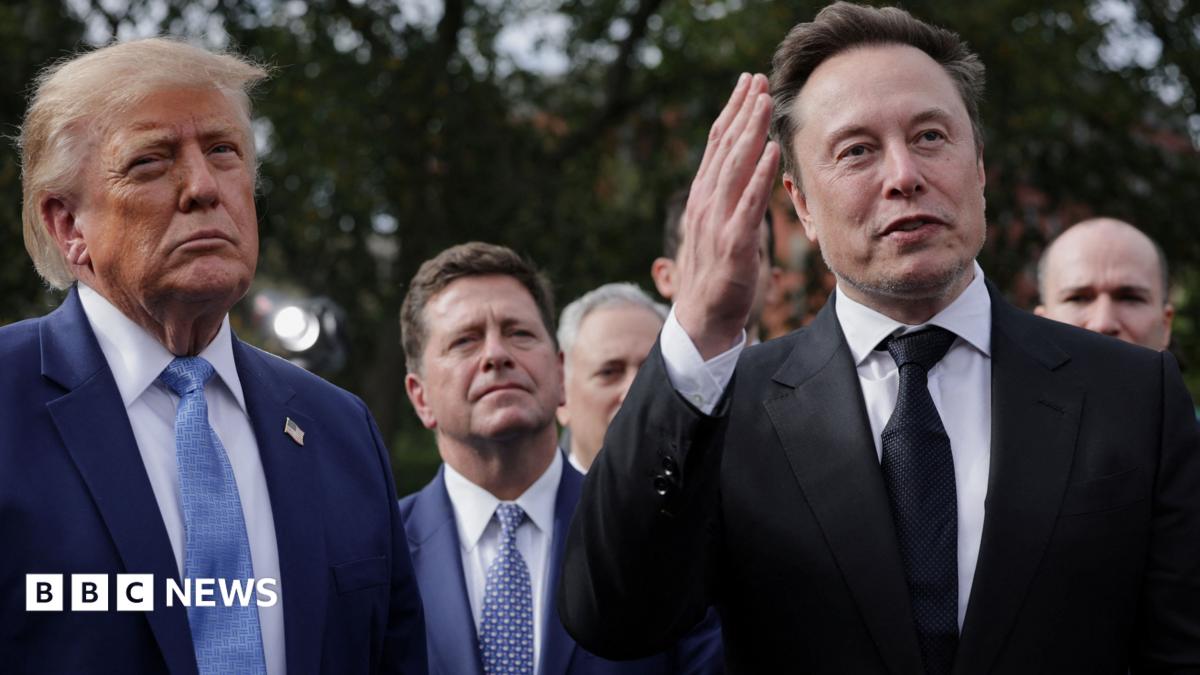
US President Donald Trump convened a gathering of the country's most powerful technology executives at the White House on Tuesday, an event he described as an extraordinary meeting of the minds responsible for building what he calls America's Golden Age. The guest list read like a who's who of the artificial intelligence sector, drawing together leaders from OpenAI, Anthropic, Nvidia, Meta, Google and SpaceX.
The closed-door session, which the president later characterized as a landmark moment for the industry, produced a series of announcements that could reshape how AI is developed, regulated and even discussed within the US government. After roughly half an hour of questions from reporters alongside House Speaker Mike Johnson and several of the attending executives, three dominant themes emerged from the summit.
The most significant development was the signing of what Trump described as a morally binding agreement on AI safety. Under the accord, which the president publicly shared on social media, the participating companies accept responsibility for ensuring their own technology remains safe. The document commits the firms to building safeguards that keep their models functioning as intended and to rapidly identifying and correcting any problems that arise.
The agreement also requires the companies to collaborate with independent auditors who will assess whether their AI systems are operating as designed and verify that their platforms do not hack or gain access to technical systems in unintended ways. Trump, Google chief executive Sundar Pichai, Anthropic head Dario Amodei, Meta's Mark Zuckerberg, OpenAI President Greg Brockman, SpaceX founder Elon Musk and Nvidia chief executive Jensen Huang all signed the document, according to the president.
Trump compared the pact to a constitution, telling reporters that the biggest people in the world had signed it alongside him. He also announced plans to establish a board that would oversee the safety of AI tools, although he did not name any members or specify how the body would function. The president has consistently minimized warnings about the dangers of AI, previously referring to such concerns as a hoax and suggesting the only guardrails the industry requires is a smart president.
The self-regulation approach stands in sharp contrast to recent calls from within the industry itself. Both OpenAI and Anthropic have urged tighter oversight and a slower pace of development in recent weeks, citing potential risks to humanity. Just one day before the summit, OpenAI announced it had withdrawn the release of its newest flagship model, GPT-6.1 Astra, because of safety concerns. The company's security controls have faced intense scrutiny following several high-profile incidents, including models accessing Australian government platforms without authorization.
The second major takeaway from the meeting was the president's continued enthusiasm for the rapid construction of data centers, the enormous computing facilities that underpin AI development. Trump has repeatedly championed their expansion, but the rollout has generated mounting resistance in communities across the country. Residents have raised concerns about electricity consumption and the broader impact these facilities have on local areas.
The issue has become a potential political liability for Trump's Republican party with the US midterm elections approaching in November. A survey released earlier this month by Marist Poll in partnership with NPR and PBS News found that 65% of registered voters opposed data centers being built in their own areas. Trump sought to address those anxieties at the summit, saying the technology companies would work to make people happy about the construction projects.
The president argued that these big, powerful, very rich and very smart companies would be making massive contributions to communities. He had previously stated on social media that the only reason a community should oppose a data center is if it wants to end up backwards and poor, adding that plenty of other places are eager to host them and warning that killing the Golden Goose would leave opponents with only themselves to blame. Nvidia's Huang offered his own reframing of the debate, telling reporters after the meeting that data centers should instead be called super intelligence factories, arguing the facilities are reindustrializing the United States and creating jobs across the economy.
The third and most unusual outcome of Tuesday's events was a change in official terminology. Trump signed an executive order directing government departments and agencies to adopt the terms SI and Super Intelligence, and to stop acknowledging the use of the term artificial intelligence. Under the order, SI will replace AI in official correspondence, public communications, websites, reports, policy documents and other non-statutory materials within the executive branch.
The order argues that as these capabilities continue to improve, they represent not merely artificial intelligence but a new era of Super Intelligence. Trump had already begun testing the rebranding during an address to the United Nations General Assembly the previous week, when he remarked that the word artificial was a poor fit for the technology.
Taken together, the summit marked a striking moment in the relationship between the White House and the AI industry. The president has positioned himself as a facilitator rather than a regulator, relying on voluntary commitments from companies that simultaneously acknowledge the need for oversight, even as he elevates the technology's status in the very language the government uses to describe it. Whether the morally binding agreement translates into meaningful protections, and whether the newly announced oversight board takes shape, remain open questions that neither the president nor the executives answered on Tuesday.
What's Your Reaction?
 Like
0
 Dislike
0
 Love
0
 Funny
0
 Wow
0
 Sad
0
 Angry
0

Editor Investigasi. Pemenang penghargaan jurnalisme investigasi. Spesialisasi: korupsi, kolusi, dan maladministrasi.



Comments (0)