

Texas Executes Jamaal Howard After Courts Reject Appeals Tied to Controversial Christa Pike Case
Texas carried out its first execution since a high-profile lethal injection procedure went badly wrong in Tennessee last week, putting a 46-year-old death row inmate to death on We
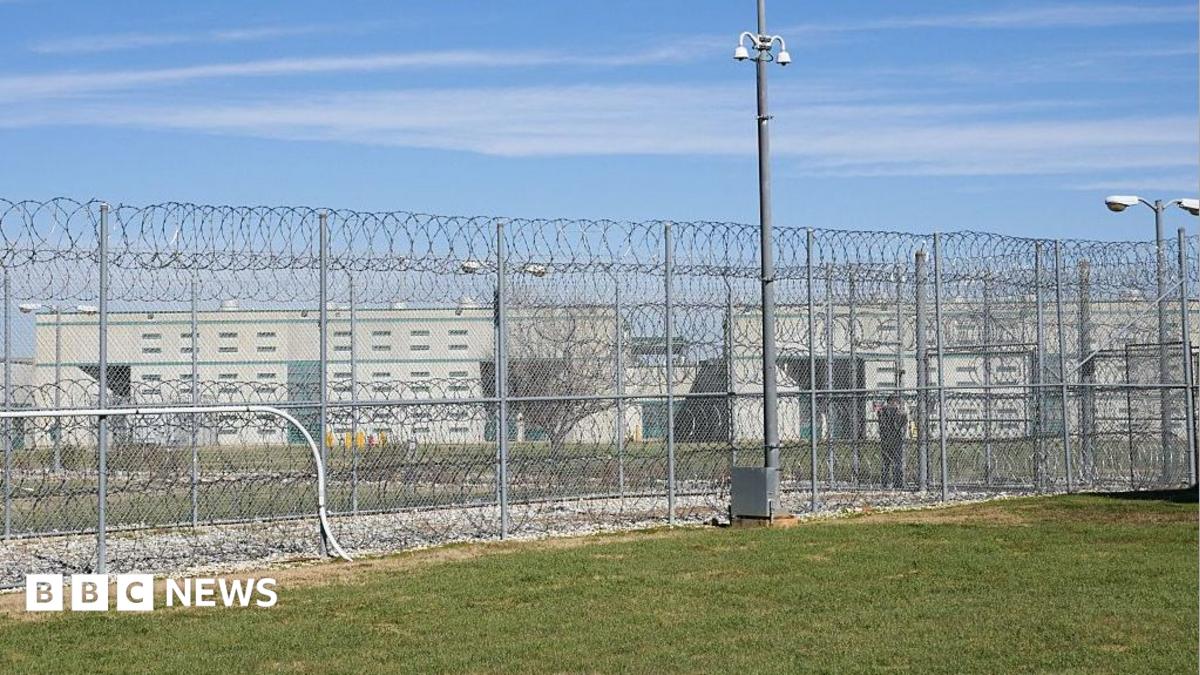
Texas carried out its first execution since a high-profile lethal injection procedure went badly wrong in Tennessee last week, putting a 46-year-old death row inmate to death on Wednesday evening despite last-minute legal efforts to halt the process.
Jamaal Howard received a fatal dose of pentobarbital at the state prison in Huntsville and was pronounced dead at 20:03 local time, according to prison officials. His execution marked the first in the United States since Christa Pike's failed lethal injection in Tennessee, an event that has reignited debate about capital punishment methods across the country.
Howard's legal team had mounted an aggressive campaign to stop the execution, filing multiple appeals that argued their client faced the same risks that led to Pike's botched procedure. The central concern raised by defense attorneys was that Texas planned to use the same drug — pentobarbital — that was employed during Pike's execution attempt.
Attorneys for Howard also alleged that Texas' supply of the lethal injection drug had become degraded over time, mirroring arguments that Pike's legal representatives have made regarding Tennessee's execution protocols. These claims formed the foundation of their emergency requests to both state and federal courts.
Despite these arguments, a court twice denied the appeals filed on Howard's behalf. The US Supreme Court also declined to intervene, turning down the appeal late Wednesday as the execution proceeded. The rejections cleared the final legal obstacles for the state to move forward with its scheduled procedure.
Howard's attorneys had framed their request for a stay in stark terms, warning that without judicial intervention, Texas would be repeating the mistakes that marred Pike's execution. They argued that a stay would prevent Texas from "following in Tennessee's footsteps," according to reporting from CBS News, the BBC's US partner.
The defense team also directed a personal plea to Texas Governor Greg Abbott, a Republican, requesting a 30-day delay so they could gather additional information about the drug that would be used in Howard's execution. The governor declined to grant the temporary reprieve, allowing the execution to proceed as scheduled.
Howard's conviction stemmed from a robbery and murder that occurred in 2000, when he was just 20 years old. He shot Vickie Swartout, a 42-year-old convenience store clerk, during the course of the robbery. From the store, Howard took a carton of cigarettes and $114 from the register.
The crime devastated Swartout's family, who attended the execution as witnesses. In his final moments, Howard was given the opportunity to make a statement before the lethal injection was administered. He used that opportunity to address the victim's relatives directly.
"I wish that you accept my apology, and I wish for your forgiveness," Howard said, according to US media reports. "I'm sorry for what happened. I wish you can learn to forgive me one of these days." The statement represented Howard's final words before he was pronounced dead.
The execution has drawn national attention because of its timing, coming just days after Pike's procedure in Tennessee captured headlines across the country. Pike's case became a focal point for discussions about the reliability and humanity of lethal injection as an execution method, with her lawyers describing her as "angry and confused" following the failed attempt.
Veteran journalists who have witnessed hundreds of executions described Pike's procedure as unlike anything they had previously observed, underscoring the unusual nature of what transpired in Tennessee. The incident has prompted renewed scrutiny of execution protocols and drug supplies in states that continue to carry out capital punishment.
Howard's execution proceeded despite the cloud of uncertainty surrounding lethal injection practices. The fact that Texas continued with its scheduled procedure demonstrates the state's commitment to carrying out death sentences even amid broader questions about the methods employed. Texas has historically been the most active state in the nation when it comes to executions.
The case highlights the complex legal landscape surrounding capital punishment in the United States. Defense attorneys must navigate multiple layers of judicial review, often filing appeals in state courts, federal courts, and ultimately the Supreme Court, all within compressed timelines as execution dates approach. Success rates for such last-minute appeals remain relatively low.
The debate over lethal injection drugs has intensified in recent years as pharmaceutical companies have restricted the use of their products for executions, leading states to seek alternative sources. Concerns about drug quality, potency, and sourcing have become central issues in death penalty litigation, with defense attorneys frequently challenging whether the substances used meet constitutional standards.
For death penalty opponents, Howard's execution represents a continuation of a practice they argue should be abolished. Supporters of capital punishment maintain that it provides justice for victims and their families, and that states have the right to carry out sentences duly imposed by courts. The tension between these perspectives continues to shape the national conversation around the death penalty.
The execution of Jamaal Howard, occurring in the shadow of the Pike case, may serve as a catalyst for further examination of how states conduct lethal injections. Whether it prompts legislative changes, moratoriums, or additional legal challenges remains to be seen, but the overlapping circumstances of these two cases have brought renewed attention to the practical and ethical questions surrounding the ultimate punishment.
What's Your Reaction?
 Like
0
 Dislike
0
 Love
0
 Funny
0
 Wow
0
 Sad
0
 Angry
0

Editor Investigasi. Pemenang penghargaan jurnalisme investigasi. Spesialisasi: korupsi, kolusi, dan maladministrasi.






Comments (0)