

South Korea restaurant bearing Xi Jinping's name vandalised by Chinese nationals, police say
A Chinese restaurant in South Korea that took its name from Chinese President Xi Jinping has been vandalised by a group of Chinese nationals who are believed to have fled the count
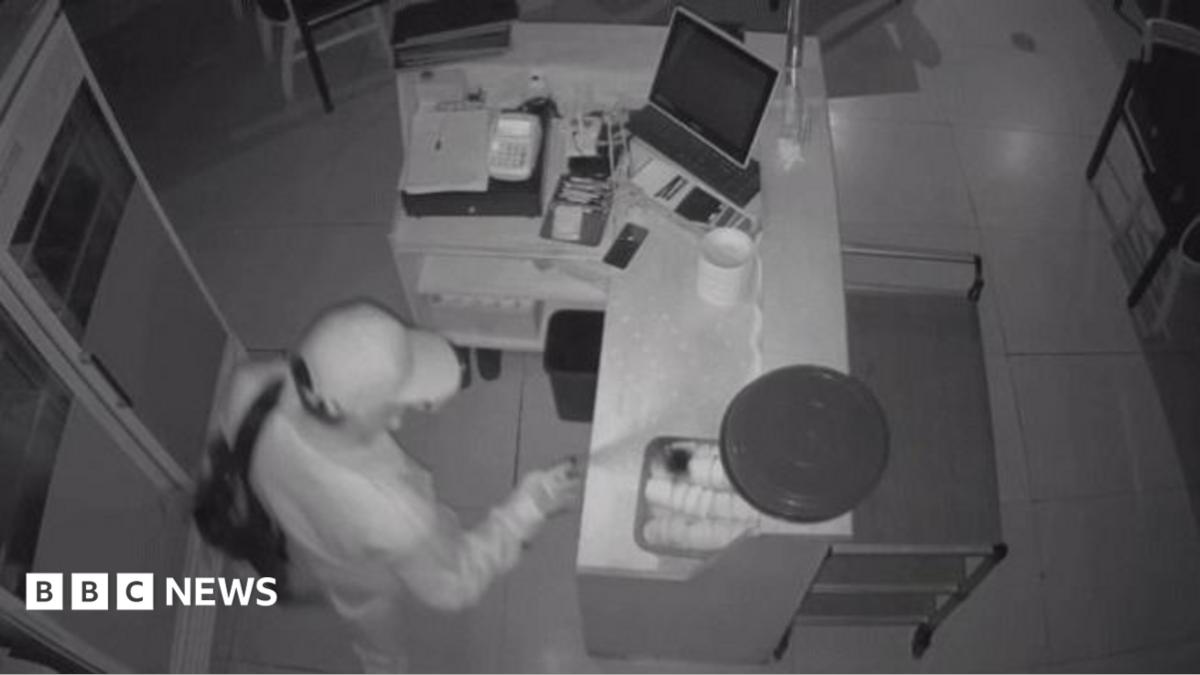
A Chinese restaurant in South Korea that took its name from Chinese President Xi Jinping has been vandalised by a group of Chinese nationals who are believed to have fled the country immediately after the attack, according to police.
CCTV footage captured at the eatery in Seongnam, a city located just south of the capital Seoul, shows four masked men forcing their way into the premises in the early hours of 24 September. During the raid, the intruders smashed furniture and sprayed lacquer across the interior of the business.
The restaurant's proprietor told local media outlets that he had chosen the name Xi Jinping because he wanted the establishment to be regarded as the finest Chinese restaurant in South Korea. He was careful to stress that the naming decision carried no political motivation whatsoever.
According to a report by The Chosun Daily, the restaurant has been operating for eight years, but it only started receiving demands to change its name within the past year. The owner said the pressure intensified in August last year, when news emerged that Xi would be attending the Asia Pacific Economic Co-operation Summit in South Korea. At that point, he received dozens of phone calls related to the demands.
The owner also revealed that some callers offered him money to rebrand the restaurant. He told The Chosun Daily that individuals claiming to run businesses in China proposed large sums if he agreed to change the name, describing the callers as persistent in their efforts. The offers suggest a coordinated campaign rather than isolated complaints.
The pressure was not limited to phone calls. In April this year, someone lodged a complaint with South Korea's Ministry of Intellectual Property concerning a dish on the restaurant's menu named Xi Jinping Special Rice. The ministry ultimately closed the case after finding no issues with the item, according to the report.
The owner described last week's attack as the most significant incident he has experienced over the past year. He told local media that the property damage amounted to approximately 15 million won, equivalent to about $11,100 or £8,400. The scale of the destruction indicates a deliberate and targeted act rather than opportunistic vandalism.
Following the attack, the restaurant remained closed for five days before reopening on Tuesday. The owner said his team is now considering adopting a new name for the eatery, a move that would effectively end the controversy that has surrounded the business for more than a year.
Police said on Tuesday that the four suspects were Chinese men aged between 20 and 40. Investigators believe the men fled to Shanghai and Yantai, a city in China's Shandong province, after carrying out the attack, placing them beyond the immediate reach of South Korean authorities.
Law enforcement officials said they are planning to request red notices from Interpol for the four men. Red notices are not arrest warrants in themselves; rather, they are requests to police forces around the world to locate and detain a suspect pending extradition proceedings. Such notices can be politically sensitive and are issued at the discretion of Interpol's general secretariat.
The restaurant's menu features a broad selection of Chinese dishes, although it also includes some South Korean offerings, according to screenshots that have been shared online. Google reviewers have given the establishment an average score of four out of five stars, indicating that it has built a positive reputation among diners during its eight years of operation.
The incident underscores the sensitivities that can arise when commercial branding intersects with political symbolism. Using the name of a foreign head of state for a private business is unusual, and in this case it appears to have drawn attention from individuals who objected to the association, even though the owner insists his motives were purely commercial.
The case also highlights the complexities of cross-border law enforcement. South Korean police can seek Interpol assistance, but the success of any request depends on cooperation from the countries where suspects are located. Beijing and Seoul have generally maintained working relationships on policing matters, though extradition requests involving Chinese nationals can be complicated by diplomatic considerations.
For the restaurant owner, the episode represents a significant financial and emotional burden. Beyond the physical damage to his premises, he has had to contend with sustained pressure to abandon a name he chose for business reasons. His decision to consider rebranding suggests a pragmatic recognition that the controversy may not subside on its own.
The attack has generated attention in South Korean media, where coverage has focused on the unusual nature of the case and the fact that the perpetrators were allegedly Chinese nationals targeting a business named after China's leader. The story has also been picked up internationally, given its intersection of commerce, politics and cross-border crime.
Police have not publicly suggested a definitive motive for the attack, though the timing and the preceding demands for a name change point to a dispute over the restaurant's branding. Investigators are continuing to gather evidence and pursue the suspects through international channels.
For now, the restaurant has resumed serving customers under a name that may soon change. The owner's experience illustrates how a business decision made eight years ago can, under shifting political circumstances, transform into a source of persistent contention and, ultimately, criminal targeting.
What's Your Reaction?
 Like
0
 Dislike
0
 Love
0
 Funny
0
 Wow
0
 Sad
0
 Angry
0

Editor Investigasi. Pemenang penghargaan jurnalisme investigasi. Spesialisasi: korupsi, kolusi, dan maladministrasi.





Comments (0)