

Gaza Girl, 6, Endures More Than 20 Surgeries as Wound Infections Persist After Strike on Displacement Camp
A six-year-old girl in Gaza has undergone more than 20 surgical procedures since she was injured in an Israeli air strike in late July, according to reporting by BBC Eye Investigat
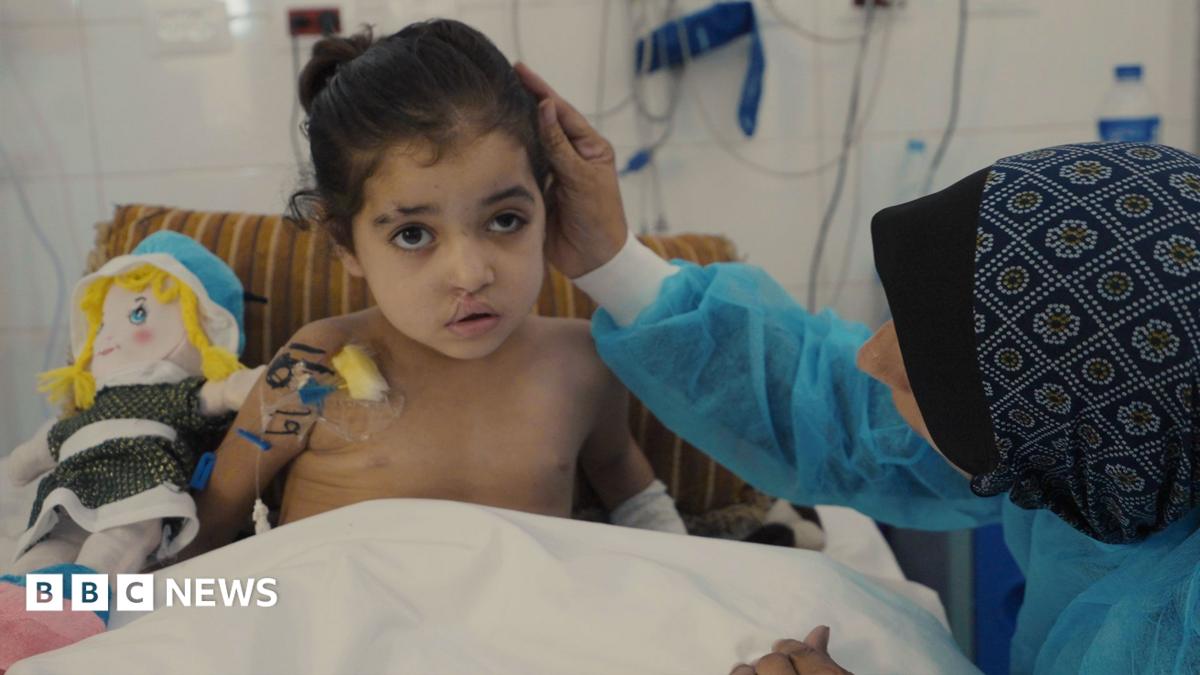
A six-year-old girl in Gaza has undergone more than 20 surgical procedures since she was injured in an Israeli air strike in late July, according to reporting by BBC Eye Investigations.
Raseel al-Balawi was hurt when, witnesses say, a tent in the al-Mawasi camp — a designated humanitarian zone in the southern Gaza Strip — was struck by fire from an Israeli helicopter. The camp has become home to large numbers of displaced Palestinians seeking relative safety as the war continues.
The young girl now requires frequent operations in an effort to bring infections in her wounds under control, a situation that illustrates the severe difficulties medical teams in Gaza face as the territory's healthcare system struggles under the weight of repeated bombardment and the near-total destruction of essential infrastructure.
Israel's military has said it has no record of the attack and added that it "regrets any harm to civilians" — a response that leaves key questions unanswered about what happened to Raseel and the circumstances surrounding the strike on the camp.
The case has drawn attention through a BBC World Service film produced over the summer months, which set out to document how children in Gaza are coping amid the collapse of the services and facilities they depend on to survive. The reporting team, BBC Eye Investigations, spent extended periods with Raseel across that period.
Their footage captures the faltering of the ceasefire and the continuing bombardment that has shaped daily life in the enclave — a context that frames the girl's medical ordeal not as an isolated incident but as part of a wider pattern of civilian harm.
Doctors treating Raseel face a compounding problem. Wounds sustained in explosions are prone to contamination, and in a setting where clean water, sterile equipment and uninterrupted electricity are all in short supply, even routine infection control becomes extraordinarily difficult. Each return to the operating theatre carries its own risks, particularly for a patient so young.
The need for repeated surgery to manage infections suggests that the damage to Raseel's body has not been resolved by initial treatment. In conflict zones, delayed or interrupted care can allow bacteria to take hold in tissue, extending recovery times and increasing the chance of long-term disability.
The toll is not only physical. Children who survive strikes often carry psychological scars that outlast their wounds, and for a six-year-old, repeated hospital stays, unfamiliar surroundings and the absence of normal routines add another layer of distress.
Al-Mawasi has repeatedly been described by Israeli officials as a safe zone to which civilians should evacuate, which makes accounts of strikes there especially contentious. Witnesses in Raseel's case maintain that her family's tent was hit by helicopter fire, while the military's stated lack of a record of the incident means no official account has been offered to explain the injuries.
The broader picture in Gaza remains one of a health system under extreme strain. Hospitals and clinics have been damaged or put out of service, supplies of medicine and fuel are limited, and medical staff have been killed or displaced. In such conditions, physicians describe having to make impossible choices about who receives care and what treatments can safely be attempted.
The BBC World Service's summer-long filming project sought to show the human consequences of this environment, focusing on children as among the most vulnerable. The resulting film documents not only individual cases like Raseel's but also the wider question of how a generation is growing up amid destruction.
The ceasefire that had briefly reduced the intensity of fighting has since faltered, with bombardment resuming. For families in displacement camps, each resurgence of violence brings renewed fear and fresh obstacles to obtaining food, shelter and medical help.
Raseel's case intersects with these larger trends in a way that is both specific and representative: a named child, a particular tent, a documented sequence of surgeries — set against a backdrop of systems that no longer function, and an official response that acknowledges regret but offers no explanation.
Questions remain about accountability. Israel's military statement that it has no record of the strike places the incident outside its formal accounting, even as witnesses describe what they saw. For Raseel's family, the priority is not attribution but treatment, as doctors continue their efforts to control the infections that keep returning.
For now, the girl's recovery depends on procedures that must be repeated, facilities that are stretched, and a broader environment in which even basic survival requires enormous effort. Her experience, documented over months by BBC Eye Investigations, stands as one of many accounts emerging from Gaza of children whose lives have been reshaped by injury and the struggle to heal.
What's Your Reaction?
 Like
0
 Dislike
0
 Love
0
 Funny
0
 Wow
0
 Sad
0
 Angry
0

Editor Investigasi. Pemenang penghargaan jurnalisme investigasi. Spesialisasi: korupsi, kolusi, dan maladministrasi.






Comments (0)