

Pornhub Restores Access in Australia Exclusively for Age-Verified Apple Users
Pornhub has resumed operations in Australia, bringing an end to an eight-month blackout triggered by the country's strict new age-verification regulations. However, the return is f
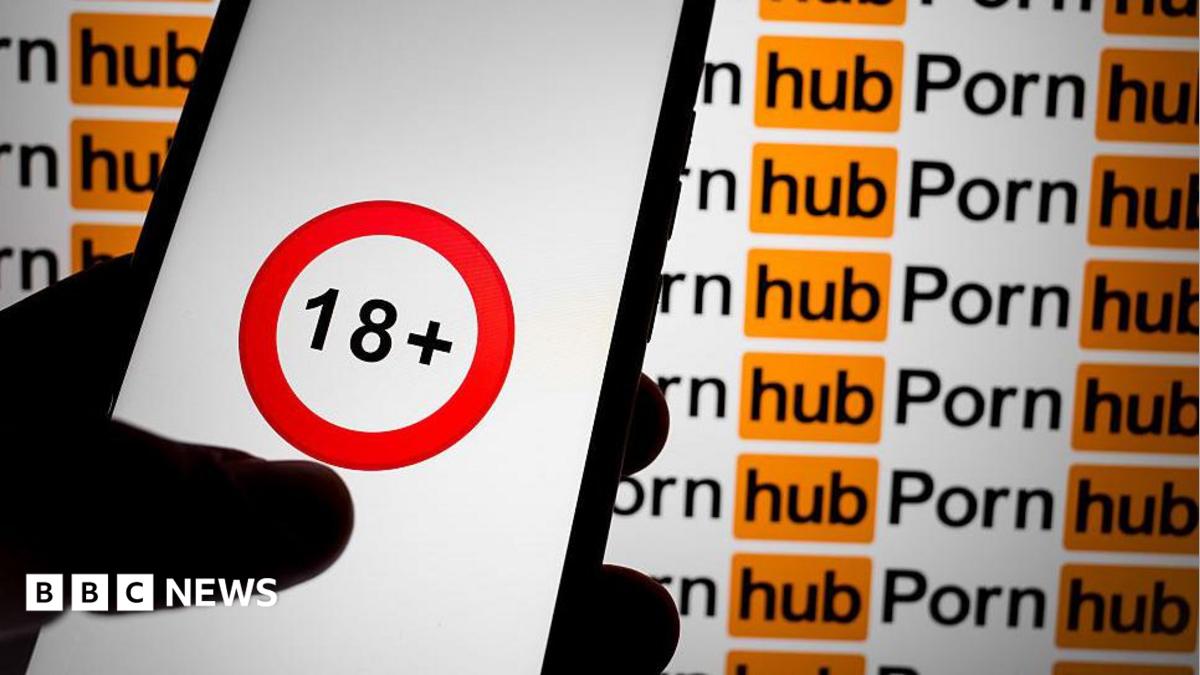
Pornhub has resumed operations in Australia, bringing an end to an eight-month blackout triggered by the country's strict new age-verification regulations. However, the return is far from universal. According to an announcement made on Wednesday by Aylo, the adult entertainment company that owns the platform, access is being restored only for a specific segment of the population: adults who can confirm their age through Apple's Australian age-verification process. This development marks a significant shift in how the world's largest adult website navigates the complex landscape of digital safety laws.
The decision to reintroduce the site comes after Aylo withdrew its services from the Australian market in March. At the time, the company fiercely criticized the newly enacted legislation that mandated users prove they were over 18 to access adult content. Aylo argued that the laws were fundamentally flawed, asserting they would fail to protect children and would instead introduce a host of new problems. Specifically, the company warned that the requirements would create serious harms related to data privacy and would inadvertently push users toward non-compliant platforms operating outside the scope of Australian regulation.
The legal framework that prompted this standoff was introduced by the Australian government in March. The legislation requires strict proof of age for anyone attempting to view adult material, including pornography, R-rated video games, and sexually explicit AI chatbots. The country's online safety regulator championed the changes, stating they were essential to shield children from harmful content. To enforce compliance, the regulator outlined penalties for platforms that breach these rules. Despite these good intentions, the laws immediately sparked a heated debate regarding their practicality and potential side effects.
Critics of the legislation were quick to point out significant concerns regarding the methods used to verify age. Technologies such as facial recognition, digital IDs, and the submission of credit card details were flagged as potential vectors for data breaches and identity theft. Privacy advocates argued that requiring users to hand over sensitive personal information just to access legal content posed a massive risk. Furthermore, skeptics noted that tech-savvy minors would likely find ways to trick these verification systems, rendering the laws ineffective while simultaneously eroding the privacy of law-abiding adults.
This impasse has now been broken, not by a change in the law, but by a technological shift from a major hardware manufacturer. Apple has recently introduced new age-checking mechanisms in Australia, a move that follows a similar rollout in the United Kingdom. Aylo's return is predicated on this new system, which the company claims offers a superior solution to the issues posed by the original legislation. The adult site's parent company stated it was returning because Apple has effectively "set a benchmark" for the industry.
At the heart of this benchmark is a fundamental change in how devices are configured. According to Aylo, Apple's system establishes default child safety features on all devices unless the owner actively confirms they are an adult. This approach, the company argues, makes every phone or tablet in Australia "kid-safe as a starting point." By leveraging the operating system's built-in controls, the verification hurdle is cleared at the device level rather than forcing individual websites to independently verify the age of every visitor.
Alex Kekesi, Aylo's vice-president of brand and community, explained the rationale behind this strategic return. She emphasized that for years, the company has advocated for device-based age verification as the most effective and privacy-protecting method to prevent minors from accessing age-inappropriate content. By relying on Apple's system, Aylo believes it has found a partner in protecting children without forcing adults to undergo intrusive checks on every site they visit. Kekesi confirmed that Australians with Apple devices that have been properly age-verified will now be served the "standard adult users experience."
The implications of this device-centric approach extend to how adults manage their personal data. Kekesi noted that having child safety features enabled by default means adults do not have to "surrender unnecessary personal information to multiple apps and websites." This addresses a primary concern raised by privacy advocates following the introduction of the Australian laws. Instead of uploading a driver's license or scanning a face on a porn site, the user simply confirms their age with Apple, allowing the website to trust the device's certification.
Beyond privacy, Aylo suggests this system may also be more effective at preventing circumvention. Virtual private networks, or VPNs, are commonly used by internet users to bypass geographical restrictions and trick a site into thinking a user is logging on from another country. By integrating verification at the hardware level, Aylo argues that this approach limits the usefulness of VPNs as a tool to circumvent age-verification technologies. If the device itself is flagged as belonging to a minor or is not verified as adult, the safety features remain in place regardless of the network connection used.
The tension between protecting minors and preserving digital privacy remains a central theme in this ongoing saga. While Australia's online safety regulator maintains that the original laws are necessary to protect children from harmful content, the suspension by Pornhub highlighted the real-world consequences of strict compliance mandates. The eight-month absence of the world's biggest porn site was a direct result of a company deciding that the regulatory burden and privacy risks outweighed the benefits of operating under the new rules.
This latest development represents a compromise of sorts, brokered by the private sector rather than the government. By aligning its return with Apple's new verification rollout, Aylo is effectively endorsing a private solution over a legislative one. This could set a precedent for how other adult platforms and jurisdictions handle age verification in the future. If the Apple model proves successful in Australia, it may pressure other tech giants to implement similar default safety features, potentially changing the global standard for how online adulthood is verified.
For Australian users, the practical effect is a divide based on the type of technology they own. Those with Apple devices who have completed the verification process can regain access to the platform immediately. However, the article suggests that access is currently limited to this specific ecosystem. Users on other platforms, such as Android or Windows, may not yet have the same pathway to access if their devices lack an equivalent, accepted verification standard. This creates a fragmented landscape where access to legal content depends heavily on the hardware in a user's pocket.
The return of Pornhub to Australia is not merely a business decision; it is a test case for the future of internet regulation. It pits government mandates against corporate policy and hardware-level security. The debate over data privacy and the effectiveness of facial recognition or digital IDs continues, but the utilization of "device-based verification" offers a new variable in the equation. As Apple expands these checks and Aylo observes the results, the rest of the world will be watching closely to see if this balance between safety and privacy can be maintained.
What's Your Reaction?
 Like
0
 Dislike
0
 Love
0
 Funny
0
 Wow
0
 Sad
0
 Angry
0

Editor Investigasi. Pemenang penghargaan jurnalisme investigasi. Spesialisasi: korupsi, kolusi, dan maladministrasi.



Comments (0)