

Finland Halts Google Data Centre Construction Over Forest Clearance Concerns
Finnish regulatory authorities have instructed Google to suspend construction activities at two planned data centre locations, citing inadequate environmental assessments tied to t
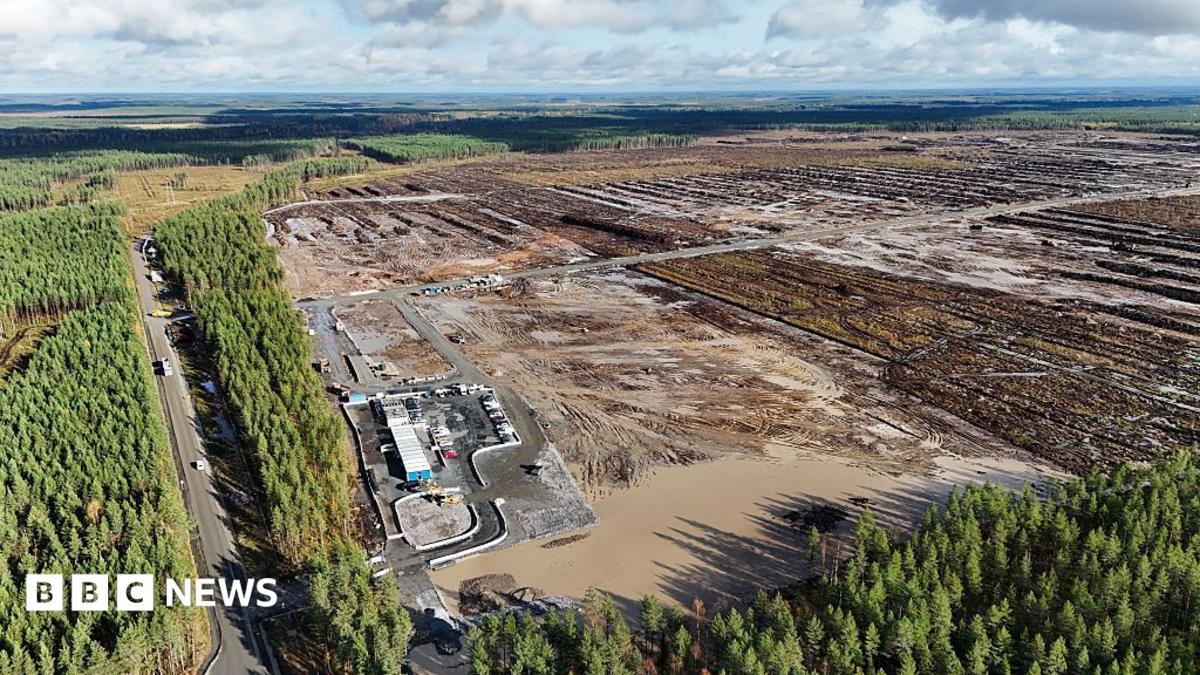
Finnish regulatory authorities have instructed Google to suspend construction activities at two planned data centre locations, citing inadequate environmental assessments tied to the felling of over 300 hectares of woodland. The intervention represents a significant obstacle for what the technology giant recently described as its most substantial European infrastructure commitment to date.
The Finnish Supervisory Agency, known by its Finnish acronym LVV, issued the directive after determining that preparatory operations at the sites in Muhos and Kajaani proceeded without the legally required environmental impact evaluation. The agency specifically demanded that activities capable of "significantly altering the environment" cease by 23 October.
According to Tommi Muilu, who leads the environmental division at LVV, the work already conducted at both locations encompassed tree removal, stripping of topsoil, creation of access roads and material storage zones, and modifications to existing drainage channels. These activities collectively raised alarm among regulators who monitor compliance with Finland's environmental protection statutes.
The order arrives less than four weeks after Google publicly unveiled a €13bn investment package covering Finland through 2027 and 2028. At the time of the announcement, the company characterised the outlay as its largest single commitment anywhere in Europe, encompassing new facilities in Kajaani, Muhos, and Vaala, plus additional funding for its operational site in Hamina.
Tuike Finland, the corporate entity responsible for executing Google's data centre developments in the country, has been directed to submit a formal explanation of the circumstances and outline its intended path forward by 14 October. LVV warned that failure to satisfy its requirements could trigger formal enforcement measures against the company.
Google responded to the regulatory action with a statement acknowledging the shortcomings. "We understand the concerns and have fallen short of our own high standards in this instance," the company told the BBC, adding that it had operated in good faith under Finland's Forestry Act while conducting nature surveys and implementing safeguards for environmentally sensitive areas.
The company further emphasised its commitment to long-term regional engagement, noting that it is proceeding with landscaping and biodiversity initiatives, including plans to plant trees across 130 hectares at the Muhos location. Google maintained that these efforts form part of its broader sustainability strategy in Finland.
Environmental advocates had previously voiced objections to the clearing operations. Hanna Halmeenpaa, who chairs the Finnish Association for Nature Conservation, told the AFP news agency that woodlands warranting protection had been cut down. The organisation had been pressing for a suspension of work pending a thorough review of environmental compliance.
The controversy highlights mounting tensions across Europe between the rapid expansion of digital infrastructure and the preservation of natural ecosystems. Data centres require substantial land areas and significant energy inputs, placing them at the centre of debates about sustainable development and corporate environmental responsibility.
Finland has emerged as an attractive destination for data centre operators, owing to its naturally cool climate and electricity generated from low-carbon sources. Colder ambient temperatures reduce the energy burden associated with cooling thousands of computer servers, while the country's power mix supports companies seeking to lower their carbon footprints.
Google's broader Finnish investment strategy extends beyond physical construction. The company has entered into a 22-year power purchase agreement with Finnish utility Fortum, securing up to half the generating capacity of the Loviisa nuclear power station. Fortum indicated the arrangement would assist in maintaining the plant's operations through 2050.
The economic projections attached to Google's expansion are considerable. The company estimated that construction activity during 2027 and 2028 would sustain more than 37,000 jobs and deliver an average annual contribution of €3.6bn to Finland's economy. Those figures underscore the stakes involved in the regulatory standoff.
Google has stated that the new infrastructure is necessary to accommodate rising demand for its services, including Search, Maps, and its artificial intelligence assistant Gemini. The proliferation of AI tools has intensified pressure on technology firms to expand computing capacity rapidly, often in locations offering favourable energy and climate conditions.
The suspension order does not necessarily signal the cancellation of the projects, but it introduces uncertainty regarding timelines and could prompt revisions to construction plans. Google's pledge to cooperate with Finnish authorities suggests the company intends to resolve the compliance issues rather than abandon its investment.
The outcome of this dispute may influence how other technology companies approach similar developments in Finland and neighbouring Nordic countries. Regulatory vigilance demonstrated by Finnish agencies could establish expectations for environmental diligence that shape future data centre projects across the region.
What's Your Reaction?
 Like
0
 Dislike
0
 Love
0
 Funny
0
 Wow
0
 Sad
0
 Angry
0

Editor Investigasi. Pemenang penghargaan jurnalisme investigasi. Spesialisasi: korupsi, kolusi, dan maladministrasi.




Comments (0)