

Cornell Rape Case: Defence Lawyer Seeks Removal of Special Prosecutor Over 'Bias' Concerns
A defence attorney representing one of the seven men accused in a high-profile gang rape case at Cornell University has formally requested that the special prosecutor overseeing th
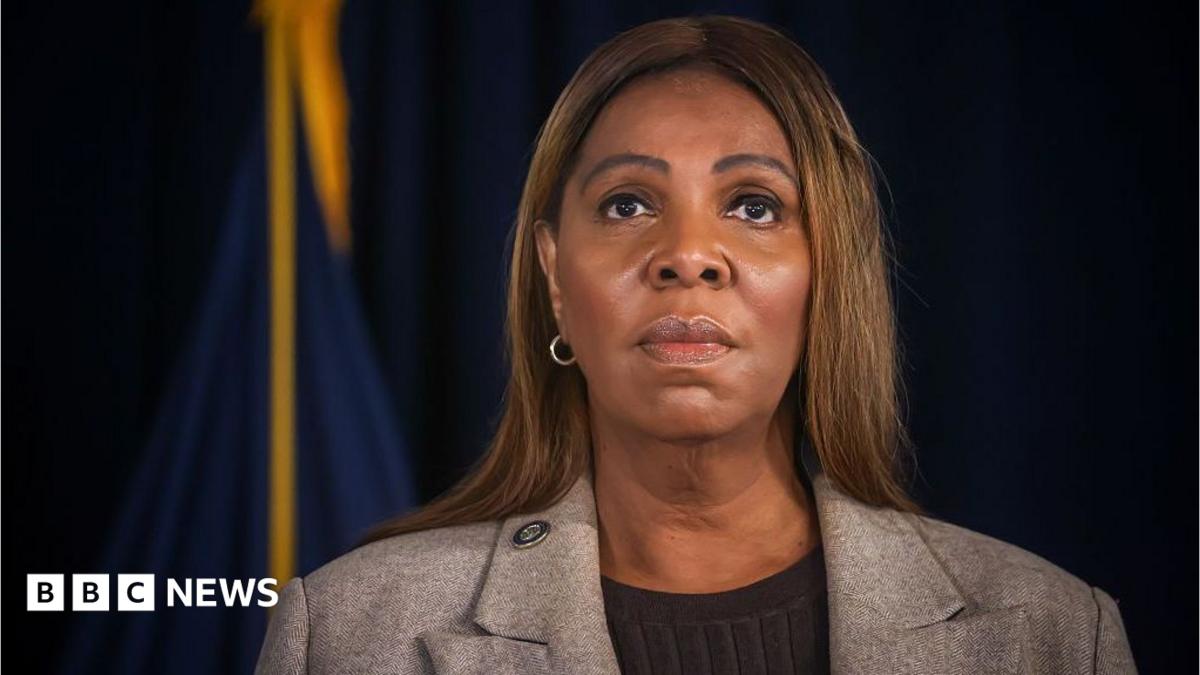
A defence attorney representing one of the seven men accused in a high-profile gang rape case at Cornell University has formally requested that the special prosecutor overseeing the investigation step aside, citing concerns over her impartiality. The lawyer argued that recent public comments made by New York Attorney General Letitia James have compromised the perceived integrity of the probe.
The controversy centres on a social media post published by James on 28 September, in which she described the ordeal of the alleged victim as "horrific and unacceptable" and expressed solidarity with survivors of sexual violence. According to the defence counsel, these remarks raise serious questions about whether the attorney general can objectively evaluate the evidence in a case where she has already publicly signalled her sympathies.
In a statement provided to CBS News, the BBC's US media partner, the lawyer stressed that the request for recusal was not an allegation of corruption or bad faith on James's part. Instead, the attorney framed the issue as a narrow procedural matter: an avoidable perception of bias now hangs over the investigation, and a voluntary withdrawal by the special prosecutor would eliminate that doubt. The defence maintains that such a step is necessary to preserve public confidence in the legal process.
The case itself has ignited outrage across the United States, with protests erupting on the Cornell campus in Ithaca, New York. Hundreds of students and faculty members gathered on Monday to demonstrate, carrying signs demanding that the university stop protecting perpetrators and listen to survivors. The demonstrations reflect growing frustration with how the institution and law enforcement initially handled the allegations.
The allegations stem from an incident in October 2024, when a woman identified in a lawsuit as Jane Doe claims she was drugged and raped by multiple men over several hours at a fraternity party. The lawsuit names seven men as alleged assailants and accuses Cornell University of failing to protect the complainant. The details of the case have shocked the campus community and drawn national media attention.
New York Governor Kathy Hochul appointed James as special prosecutor last week to investigate both the alleged assault and the responses of law enforcement and university officials. The move was intended to bring independent scrutiny to a case that had already generated significant controversy. However, the appointment quickly became entangled in questions about James's prior public statements.
During a news conference, both Governor Hochul and Attorney General James were asked directly about concerns regarding impartiality. Hochul defended James, stating that the special prosecutor would follow the facts, examine the evidence wherever it leads, and pursue charges if warranted. The governor's comments sought to reassure the public that the investigation would be conducted without favour or prejudice.
Nevertheless, the defence lawyer's request highlights a broader debate about how public officials should comment on active investigations, particularly in cases involving sexual violence where victim advocacy and the presumption of innocence must be carefully balanced. Legal ethics scholars often note that even the appearance of bias can be grounds for recusal, especially when a prosecutor has publicly aligned herself with one party's narrative before reviewing all the evidence.
Meanwhile, Cornell University's administration is facing mounting pressure over its alleged mishandling of the October 2024 incident. According to US media reports, the university's Faculty Senate is preparing to vote next week on a resolution of no confidence in the institution's leadership. The Faculty Senate, composed of professors and academic staff, would use such a vote to signal widespread discontent and push for accountability.
A majority no-confidence vote would be largely symbolic, as it would not automatically remove any officials from their positions. However, it would carry significant weight as a public rebuke, intensifying calls for reforms in how the university addresses sexual misconduct complaints. The BBC has reached out to Cornell University for comment on both the faculty vote and the broader allegations.
The case has also raised questions about the role of fraternities in campus life and the adequacy of safety measures at elite American universities. Advocates for survivors argue that institutions frequently prioritise reputation over the wellbeing of victims, a criticism that Cornell now faces head-on. The protests on campus have amplified these concerns, with students demanding systemic change rather than isolated disciplinary actions.
As the legal proceedings move forward, the dispute over James's participation could shape the trajectory of the investigation. If she declines to recuse herself, defence attorneys may seek other legal avenues to challenge the prosecution's impartiality. Conversely, if she steps aside, it could delay the probe but potentially strengthen its credibility in the eyes of the court and the public.
For now, the spotlight remains on Ithaca, where a community is grappling with painful allegations, institutional failures, and a fight for justice that has become a national flashpoint. The coming weeks will bring pivotal developments, including the faculty no-confidence vote and further legal manoeuvring, all while the seven accused men await the next stage of a case that has already left deep scars.
What's Your Reaction?
 Like
0
 Dislike
0
 Love
0
 Funny
0
 Wow
0
 Sad
0
 Angry
0

Editor Investigasi. Pemenang penghargaan jurnalisme investigasi. Spesialisasi: korupsi, kolusi, dan maladministrasi.





Comments (0)