

Twelve Women Found Dead in Eastern Johannesburg Area Since July, Sparking Serial Killer Fears
South African police have confirmed the discovery of three additional female bodies in the Ekurhuleni municipality east of Johannesburg, raising the total number of women found dea
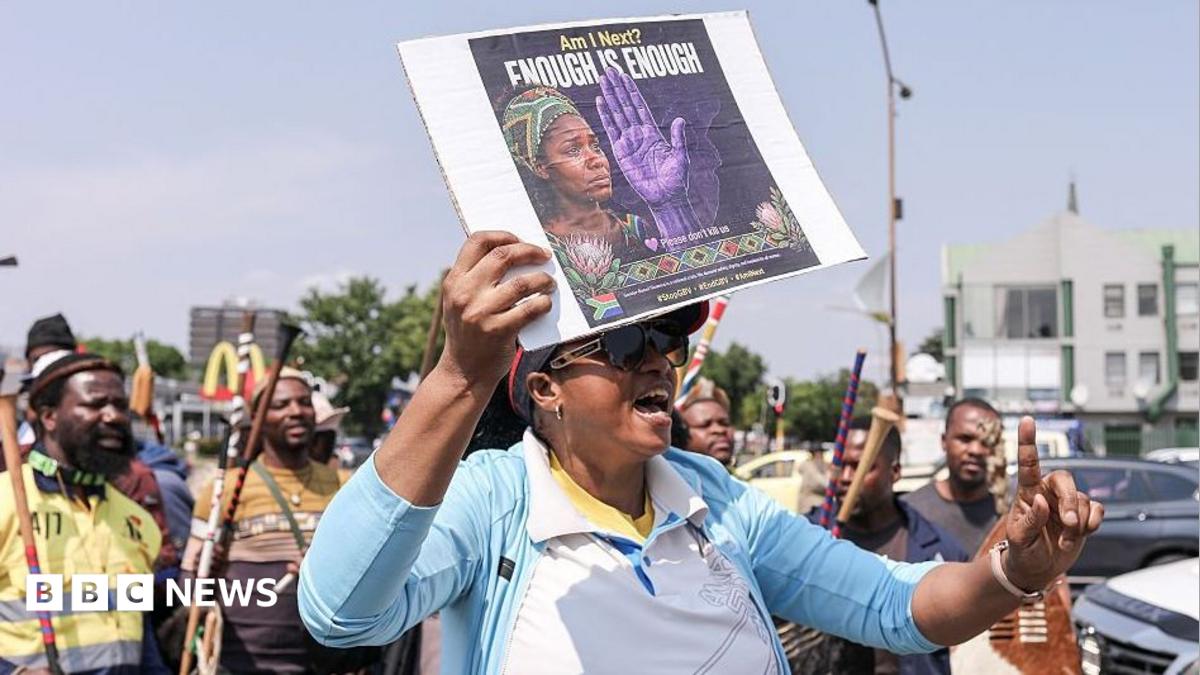
South African police have confirmed the discovery of three additional female bodies in the Ekurhuleni municipality east of Johannesburg, raising the total number of women found dead in the area to 12 since mid-July. The latest remains were recovered between Saturday and Monday morning, according to local law enforcement, deepening alarm across communities already shaken by the string of killings.
The deaths have been concentrated in and around Kempton Park, a region that includes OR Tambo International Airport, Africa's busiest aviation hub. While police have made arrests in three of the cases and say those incidents do not appear connected to one another, they have acknowledged they cannot rule out the possibility that a serial killer is responsible for some of the deaths.
The discoveries have triggered widespread fear among residents, particularly women, and have reignited long-standing concerns about the extraordinarily high levels of violence against women in South Africa. The country has for years struggled with what activists describe as a femicide crisis, with thousands of women killed annually, often by intimate partners or acquaintances.
The first body identified was that of 37-year-old Busisiwe Mahlangu, found in Kempton Park on 15 July. She was discovered naked with her hands bound by cable ties, suggesting she had been restrained before her death. Police arrested a suspect believed to be her partner two days later, and he has remained in custody since. Authorities have not linked him to any of the subsequent deaths, indicating the violence that followed may involve different perpetrators.
The second victim, 32-year-old Itumeleng Kekana, was found on 3 August in the same area. The young mother had disappeared in July, and her body was discovered badly bruised, partially clothed and abandoned on a bridge in Kempton Park. No arrests have been made in connection with her killing, leaving her family without answers.
On 26 August, the body of Nomfesane Mjobo was recovered, also in Kempton Park. Police have released few details about the circumstances of her death, but like most of the victims, she was found either partially or fully naked and bearing bruises. Her case also remains unsolved, with no suspects taken into custody, a pattern that has fuelled public frustration over the pace of investigations.
The fourth body, an unidentified woman in her twenties, was confirmed by police on 7 September. She was found floating in a river in Olifantsfontein, wearing only her underwear. Authorities have shared no further information about how she died, and no arrests have been made, leaving her identity and the circumstances of her death a mystery.
Gracious Nkomo, 28, became the fifth woman discovered when her partially clothed body was found on 10 September along a road close to OR Tambo International Airport. The location, near one of the continent's most heavily trafficked transport corridors, underscored the brazen nature of the killings. No arrests have been made in her case, and police have not indicated whether they believe she knew her attacker.
The sixth victim, 38-year-old Elizabeth Moselakgomo, was an avid runner whose disappearance prompted a highly publicised nationwide search. She went missing while on a daily run near her home in Kempton Park, and her badly bruised, partially clothed body was found on 12 September. It was the discovery of her remains that truly escalated public alarm about the spate of killings, prompting memorial runs and widespread demands for action.
Just two days after Moselakgomo was found, police confirmed another body had been discovered in Olifantsfontein on 14 September. Authorities have withheld the woman's name because her family had not yet been notified, and no arrests have been made. The rapid succession of discoveries has heightened fears that a predator or predators may be operating with impunity across the municipality.
Dineo Motapane, 38, was the eighth victim identified. Her battered and partly burned body was found on the side of the road in Springs, another part of Ekurhuleni, on 15 September, just two days after she was last seen alive. She leaves behind a young child, adding to the toll of families shattered by the killings. No arrests have been made in her case.
The ninth body, that of Jabulile Ntimba, who was in her thirties, was discovered half-naked and wrapped in a sheet on the side of a road in Boksburg on 17 September. Police believe she may have been killed because of a possible love triangle, a rare instance in which investigators have suggested a motive. Three people, two women and a man, were initially arrested, but the man was released due to insufficient evidence. The two women have been charged with premeditated murder and defeating the ends of justice.
Ntombifuthi Nxumalo was the tenth woman found, her naked body discovered at a cemetery in the Tembisa neighbourhood north-east of central Johannesburg on 26 September. She had sustained serious head injuries, and stones were found near her body, leading police to suspect she may have been stoned to death. A 36-year-old man was arrested a day later in another province and faces a murder charge, marking one of the few cases in which a suspect has been apprehended.
The eleventh body, that of a woman who has not yet been identified, was found in Springs on Sunday. The twelfth set of remains was among the three additional bodies confirmed by police between Saturday and Monday morning, completing the grim tally of 12 women found dead in Ekurhuleni in roughly two months.
The killings have placed enormous pressure on South African police to demonstrate progress, while community organisations and gender-based violence activists continue to demand systemic reforms. Critics argue that the country's criminal justice system has long failed to protect women, with many cases remaining unresolved and perpetrators evading accountability. The Ekurhuleni deaths have become a focal point for those calls, as residents grapple with the fear that more women could be targeted before the violence is brought under control.
What's Your Reaction?
 Like
0
 Dislike
0
 Love
0
 Funny
0
 Wow
0
 Sad
0
 Angry
0

Editor Investigasi. Pemenang penghargaan jurnalisme investigasi. Spesialisasi: korupsi, kolusi, dan maladministrasi.




Comments (0)