

Tehran Holds Fire as Washington Rejects Hormuz Reopening Offer
Iran has said it will hold off on any further move until it receives an official answer from US negotiators, following President Donald Trump's rejection of a Tehran proposal to re
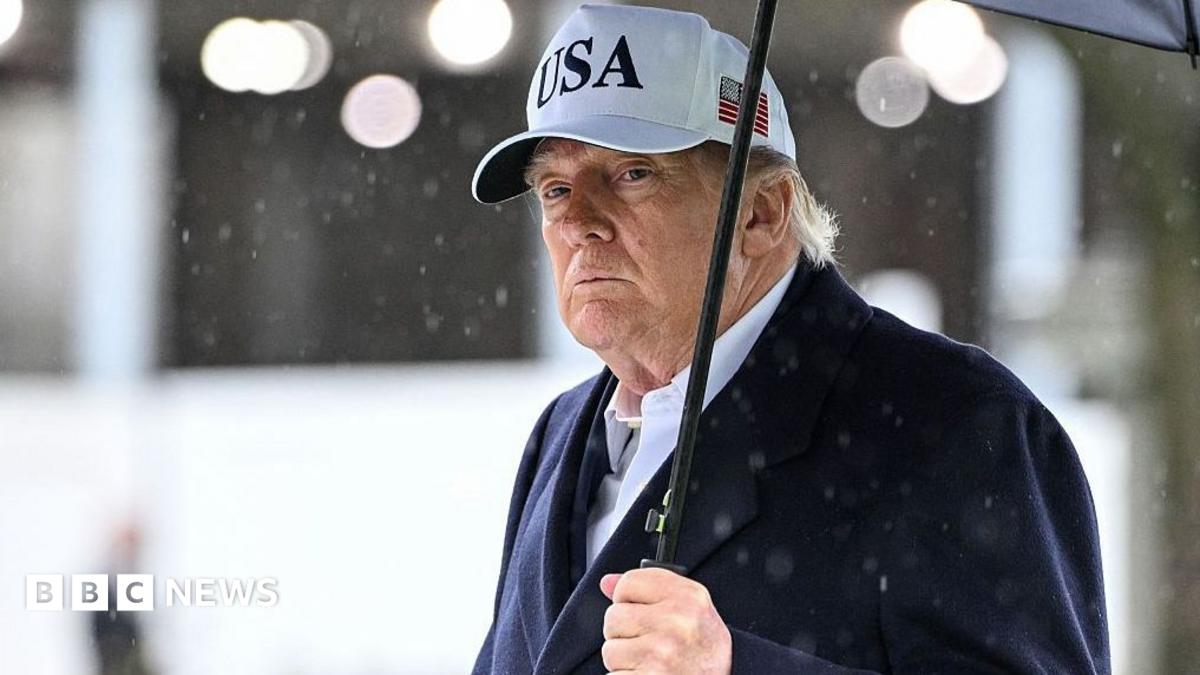
Iran has said it will hold off on any further move until it receives an official answer from US negotiators, following President Donald Trump's rejection of a Tehran proposal to reopen the Strait of Hormuz to commercial shipping within seven days. The response, delivered by Foreign Minister Abbas Araghchi via the Telegram messaging app, effectively keeps the door open to a deal while making clear that no compromise is imminent.
In his post, Araghchi acknowledged the president's rejection but pointed to what he described as a pattern of conflicting signals from the White House. The Iranian foreign minister said Trump "has made many good statements, as well as many contradictory ones, which unfortunately we hear frequently" — a pointed complaint that appears designed for both domestic and international audiences as much as for the Americans sitting across the negotiating table.
Trump had already addressed reporters at the White House, where he said Tehran's proposal was not "acceptable". He explained that the Iranian side wanted the strait reopened immediately because, in his words, "they're losing so badly" — a characterisation of the proposed terms that undercut the seriousness Tehran had attached to them and suggested Washington was not ready to treat the offer as a genuine concession.
The dispute centres on timing and conditions. Speaking to reporters at the United Nations on Friday, Araghchi had said an agreement could be reached if "necessary conditions are met" between the two countries. He clarified that the conditions Iran had in mind were the same ones set out in a memorandum of understanding between the US and Iran that was signed in June — a document Washington has not publicly embraced as the template for reopening the waterway.
Iran said it raised both the reopening of the strait and an end to hostilities during talks held on the sidelines of the UN General Assembly in New York this past week. Those meetings took place against the backdrop of a war that has reshaped one of the world's most important shipping routes, and of a public confrontation between the two leaders that included a threat from Trump to "annihilate" Iran in his address to the General Assembly.
The stakes of the strait are difficult to overstate. The vital waterway, through which around a fifth of the world's gas and oil supply usually flows, has been effectively closed since the outbreak of the war in February. That figure, long cited as a measure of global dependence on the passage, now sits in sharp contrast to the current reality for commercial shippers, insurers and energy markets.
Trump, speaking on Saturday, was blunt about his decision. "I'm rejecting their deal," he said, while adding that the US already had "total control" of the strait and that "massive amounts of oil" was passing through it. The claim of US control, and of oil continuing to move, sits uneasily alongside Iran's account of an effectively closed waterway — a divergence that analysts say will need to be tested by what actually happens to commercial traffic in the coming days.
Washington's backing for the rejection came from the US ambassador to Nato, Matthew Whitaker, who told Fox News on Saturday that Iran had offered "half measures" and "illusory deals to make themselves look good on the world stage". Whitaker said it was "President Trump's right to reject it", framing the American decision as a matter of judgment about Iran's negotiating conduct rather than a refusal to talk.
Alongside diplomatic efforts, Washington is pressing Iran economically. Treasury Secretary Scott Bessent said on Saturday that US pressure was taking a toll on Tehran, posting on X that Turkey, Oman and the United Arab Emirates had halted flights from various Iranian airlines, and that some banks in the UAE and Turkey had stopped transactions with Iran. Such measures, if sustained, would cut the country off from routes and financing that have so far remained open.
The Trump administration has branded its economic blockade on Iran as "Operation Economic Outcast", and is using sanctions to pressure Tehran into halting attacks on vessels in the Strait of Hormuz. The strategy treats the restriction of trade and travel as a lever designed to complement, and possibly substitute for, military pressure on the waterway itself.
Some economists have questioned whether the latest sanctions will be effective, arguing that their success depends heavily on how Iran's major trading partners respond. Among them is China, the biggest buyer of Iranian oil, which has ignored previous US sanctions and continued to do business with Tehran. Any new measures are therefore likely to be judged less by their immediate bite than by whether Beijing and other partners hold the line this time.
Oman, which has been acting as mediator between the two countries, has urged all parties to continue open dialogue to resolve the crisis. Oman's foreign minister, Sayyid Badr bin Hamad bin Hamood Albusaidi, told the UN General Debate that "all parties" should cooperate with Oman in efforts to safeguard navigation in the strategic waterway — a call that pointedly includes parties whose immediate demands appear difficult to reconcile.
Araghchi, for his part, said: "We are waiting for the mediators to convey the definitive views to us, and we will make a decision based on them." The formulation leaves Iran with a measure of control over timing, while also signalling that any Iranian decision now rests on what emerges from the mediation channel rather than on public statements from the White House.
The coming days will test whether that channel can bridge the gap between Washington's insistence on immediate reopening and Iran's insistence on conditions first. Attention also remains on the wider diplomatic picture: Iran's president has said to Trump that Iran will never "bend the knee", and Britain's Foreign Secretary Ed Miliband has told an Iranian minister that the UK will not tolerate "hostile activity" on British soil. For now, though, both sides have stopped short of closing the door, and the Strait of Hormuz remains the test case for whether talks can produce results before the standoff hardens further.
Reporting by Brandon Livesay.
What's Your Reaction?
 Like
0
 Dislike
0
 Love
0
 Funny
0
 Wow
0
 Sad
0
 Angry
0

Editor Investigasi. Pemenang penghargaan jurnalisme investigasi. Spesialisasi: korupsi, kolusi, dan maladministrasi.





Comments (0)