

Syrian Regime Premeditated Abduction of US Journalist Austin Tice, Investigation Reveals
The 2012 disappearance of American journalist Austin Tice was the result of a meticulously calculated operation organized weeks in advance by the Syrian government, rather than a c
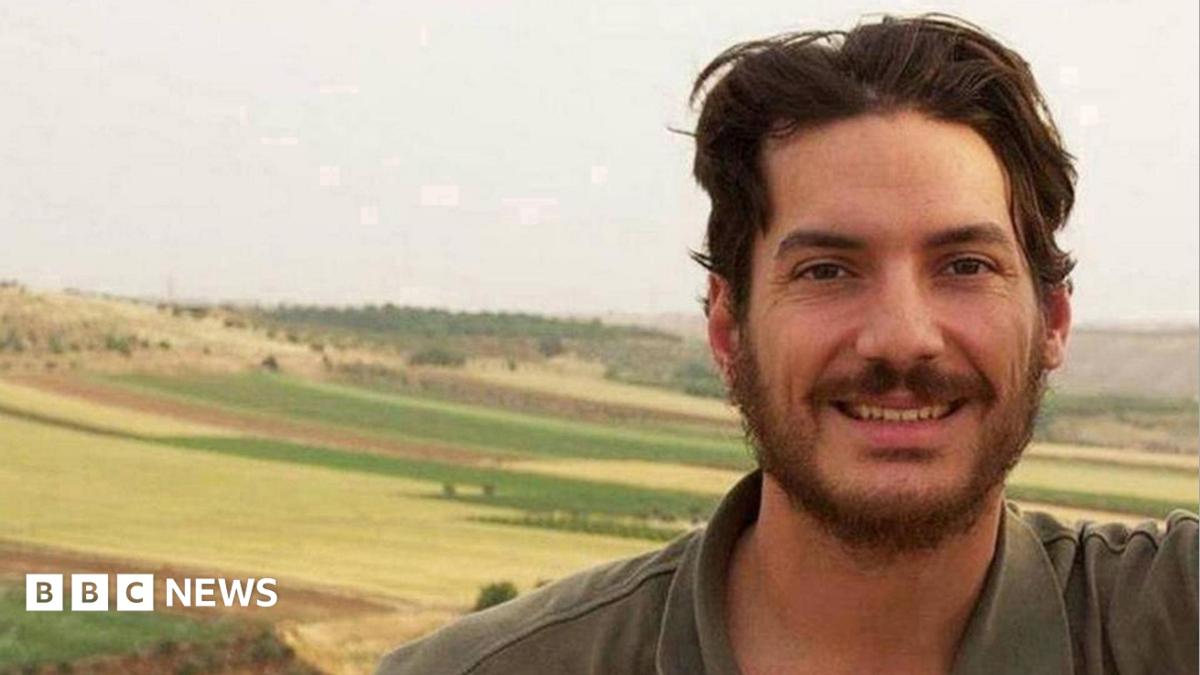
The 2012 disappearance of American journalist Austin Tice was the result of a meticulously calculated operation organized weeks in advance by the Syrian government, rather than a chance encounter at a military checkpoint, according to findings from an extensive BBC investigation.
The investigative report, featured in the podcast series exploring Tice’s case, details how the reporter's capture was actively planned for more than a month. Testimonies gathered from individuals involved in the operation indicate that the abduction received direct personal authorization from Syria's former head of state, Bashar al-Assad.
For over a decade, common assumptions suggested that Tice had been opportunistically detained after accidentally crossing into an administrative checkpoint. However, evidence compiled through internal regime records and firsthand accounts reveals that security networks had been methodically tracking his movements long before he was seized.
Central to the operation was Tice’s local driver, a man the reporter believed to be trustworthy. Unknown to Tice, the driver had secretly been operating as an informant, funneling information about the American's journalistic work in opposition-controlled regions to the National Defence Forces, a militia loyal to the central government.
The driver initially alerted Sakr Rustom, a prominent militia operative whose uncle, Bassam al-Hassan, served as head of the National Defence Forces and ranked among Assad’s closest security advisers. Upon receiving intelligence that an American was operating on the front lines, Hassan contacted the presidential palace directly.
According to Abu Ali, a former member of the loyalist militia who spoke with investigators, Hassan was instructed by Assad to take Tice into state custody. Abu Ali stated he was personally informed inside Hassan's office that the highest level of government had approved the targeted apprehension.
Rather than arresting the American correspondent immediately, security handlers decided to prolong the surveillance operation. The informant driver reportedly advised his handlers that maintaining the cover would yield more insight into Tice's network, assuring operatives that the reporter placed complete confidence in him.
During this surveillance phase, regime operatives grew increasingly suspicious of Tice's military background. As a former captain in the United States Marine Corps and a Georgetown University law student, Tice occasionally advised rebel fighters on weapons handling and military discipline while covering the conflict for outlets such as The Washington Post.
This tactical knowledge led surveillance operatives to suspect that Tice might be an undercover intelligence operative for the CIA. However, the BBC’s investigation found no evidence supporting such claims, and a former senior United States official tasked with handling the case explicitly denied that Tice had any ties to American intelligence agencies.
The operation escalated when the driver executed a brazen maneuver while Tice was conducting interviews with opposition forces. The driver covertly took Tice's personal backpack—which contained his MacBook, a satellite communication transmitter, and personal effects—handing it over to security officers to be thoroughly searched.
Despite the hidden surveillance closing in around him, Tice marked his 31st birthday on August 11, 2012, at an opposition safehouse situated near the western edge of Damascus, only miles away from the presidential palace. In what would become his final public social media post, he described celebrating with rebel fighters, music, and drinks, calling it the best birthday of his life.
Shortly after this celebration, Tice attempted to depart the country and vanished. More than five weeks later, a brief video surfaced showing the missing journalist blindfolded, distressed, and held by unidentified armed men, which remains the last visual record of him.
When the Assad administration collapsed twelve years later, thousands of political prisoners were liberated from government facilities across the country, but Tice was not among them. Follow-up ground searches at multiple secret holding sites provided by intelligence contacts yielded no trace of his whereabouts.
Nevertheless, the regime's downfall allowed investigators to uncover hundreds of pages of classified Syrian intelligence documentation. These internal records provided the first definitive documentary evidence confirming that state security branches had indeed captured and held the American journalist.
Conflicting reports have emerged regarding Tice's ultimate fate. Although a former Syrian military commander asserted that the reporter had been executed, other sources have disputed the claim, and no physical remains have been located to verify his death.
Throughout the years of uncertainty, Tice's mother, Debra, alongside international press freedom advocates, has continued to lobby successive United States administrations to demand accountability and pursue every remaining lead concerning his disappearance.
What's Your Reaction?
 Like
0
 Dislike
0
 Love
0
 Funny
0
 Wow
0
 Sad
0
 Angry
0

Editor Investigasi. Pemenang penghargaan jurnalisme investigasi. Spesialisasi: korupsi, kolusi, dan maladministrasi.






Comments (0)