

Queensland's Fitzroy River Approved as 2032 Olympic Rowing and Canoeing Venue Despite Crocodile Population
A major river in regional Queensland that serves as a natural habitat for roughly 500 saltwater crocodiles has been officially cleared to host Olympic and Paralympic rowing and can
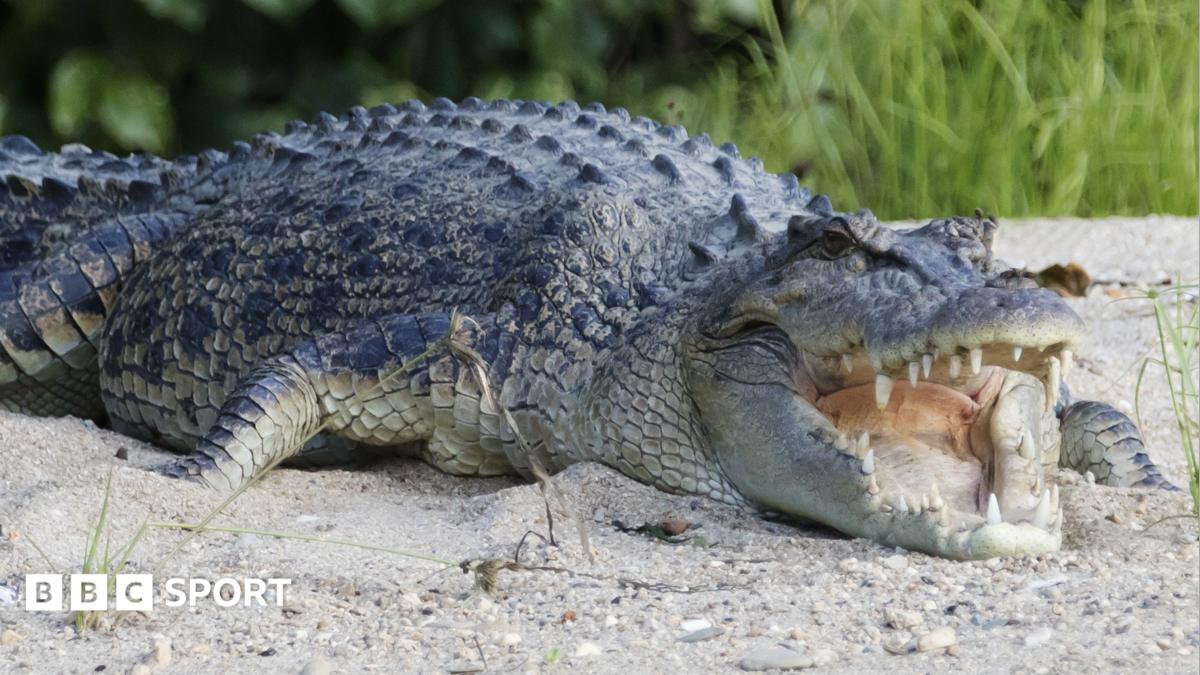
A major river in regional Queensland that serves as a natural habitat for roughly 500 saltwater crocodiles has been officially cleared to host Olympic and Paralympic rowing and canoeing competitions during the 2032 Brisbane Games. The venue selection follows the completion of an independent technical assessment that verified the waterway's capability to stage elite international water sports competitions under fair and safe conditions.
The competition course, located along the Fitzroy River in the regional city of Rockhampton, underwent an extensive technical review to establish its suitability. Following the evaluation, organizers confirmed that the natural venue satisfies the stringent sporting and logistical criteria necessary to host the world's premier flatwater athletes when the global sporting spectacle returns to Australia in 2032.
Commissioned by the Games Independent Infrastructure and Coordination Authority (GIICA), the independent evaluation deliberately focused on environmental, operational, and hydrological conditions. The technical study did not evaluate the crocodile population itself; instead, it examined how the course would perform under a wide variety of weather patterns, fluctuating water levels, and seasonal conditions, while also assessing flood risks both during the Games period and throughout the years leading up to the competition.
In its formal findings, GIICA emphasized that the designated venue—known as the Fitzroy River Flatwater Facility—already possesses a proven track record as an active sports destination. The site regularly accommodates flatwater training sessions and official competitions, including regional regattas, school state championships, and dedicated national team training camps, demonstrating its existing capacity to support high-level aquatic events.
Because the Fitzroy River is already an established flatwater sports facility, robust contingency plans are routinely implemented whenever crocodiles are spotted during training sessions or regattas. Olympic authorities and international sports officials have previously received comprehensive safety assurances, confirming that established management procedures will be in place to safeguard competitors and personnel throughout all scheduled events.
Saltwater crocodiles, known locally in Australia as "salties," are recognized as the largest living reptile species on the planet. These formidable animals are capable of living in both freshwater and saltwater habitats and can grow to lengths exceeding six metres. While their presence has attracted public interest, sports administrators maintain that established event protocols effectively mitigate potential risks.
The results of the independent assessment have earned strong endorsements from global sports governing bodies overseeing the relevant disciplines. World Rowing officially backed the Rockhampton course following the publication of the technical findings, concluding that the river environment satisfies all required standards to deliver an equitable, top-tier competition for international Olympic and Paralympic competitors.
World Rowing President Jean-Christophe Rolland welcomed the positive outcome of the technical review. Rolland confirmed that based on the extensive analysis undertaken, officials now know that the Fitzroy River is capable of providing fair competition conditions during the period of the Games, consistent with the requirements of Olympic and Paralympic Rowing.
A similar endorsement was issued by Paddle Worldwide, the international governing body formerly known as the International Canoe Federation. The organisation reviewed the technical findings and affirmed that the venue would allow canoe athletes to compete on an equal and dependable course during the Brisbane 2032 Olympic and Paralympic program.
Paddle Worldwide President Thomas Konietzko highlighted the depth of the analytical work carried out on the waterway. Konietzko stated that the quality and depth of the technical work undertaken has significantly improved their understanding of the field of play and provides confidence to the federation and its athletes that the course can deliver fair competition for Canoe Sprint athletes.
Brisbane 2032 Organising Committee President Andrew Liveris expressed satisfaction with the technical clearance on Thursday, emphasizing the importance of definitive venue decisions. Liveris stated that the endorsement provides additional certainty as organizers advance into the next phase of venue planning and Games delivery, ensuring all future design and operational work continues to focus solely on the Rockhampton facility.
Liveris had previously addressed public commentary regarding the crocodile population, encouraging stakeholders to maintain a practical perspective. Last year, he drew an analogy to ocean sports, stating that sharks exist in the ocean while surfing continues, and urged critics to adopt a "can do, not a can't do" mindset regarding the viability of the Rockhampton course.
With the independent technical endorsement now finalized, event organizers and sports federations can proceed with confidence into the detailed operational planning stages. The confirmation of the Fitzroy River Flatwater Facility ensures that Rockhampton will play a key regional role in the 2032 Brisbane Games, providing clear direction for future infrastructure, event staging, and athlete safety measures.
What's Your Reaction?
 Like
0
 Dislike
0
 Love
0
 Funny
0
 Wow
0
 Sad
0
 Angry
0

Fact-Check Editor. Verifikator bersertifikasi IFCN. Memeriksa klaim viral dan disinformasi.


Comments (0)