 sinta-pradana
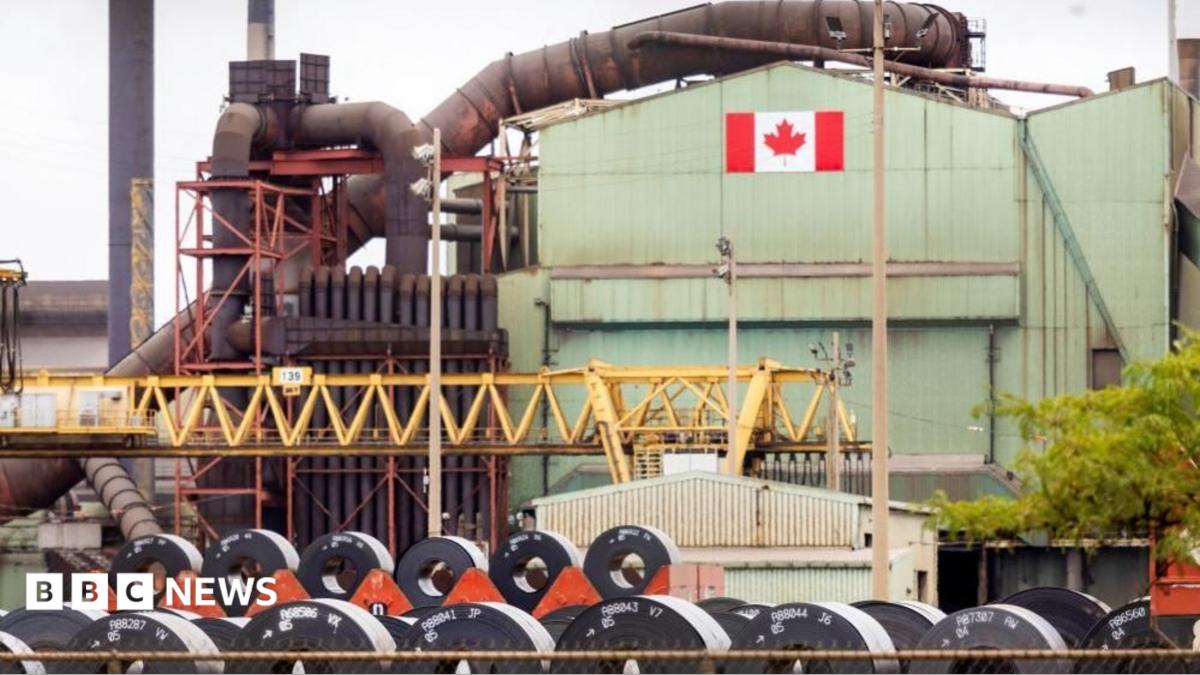
Canada has unveiled sweeping counter-tariffs on American products, with levies reaching as high as 50%, in a direct response to the latest round of duties Washington imposed on Canadian imports earlier this month.
Officials in Ottawa said on Tuesday that the measures will cover close to C$28bn ($20bn; £15bn) in US exports, spanning categories from steel and furniture to fresh tuna and cotton T-shirts. The restrictions are scheduled to take effect on 8 September.
The move marks a sharp escalation in the dispute, which intensified after negotiations between the two governments broke down at the end of last week. Both capitals have blamed the other for the collapse, insisting the opposing side introduced unacceptable demands at the final hour.
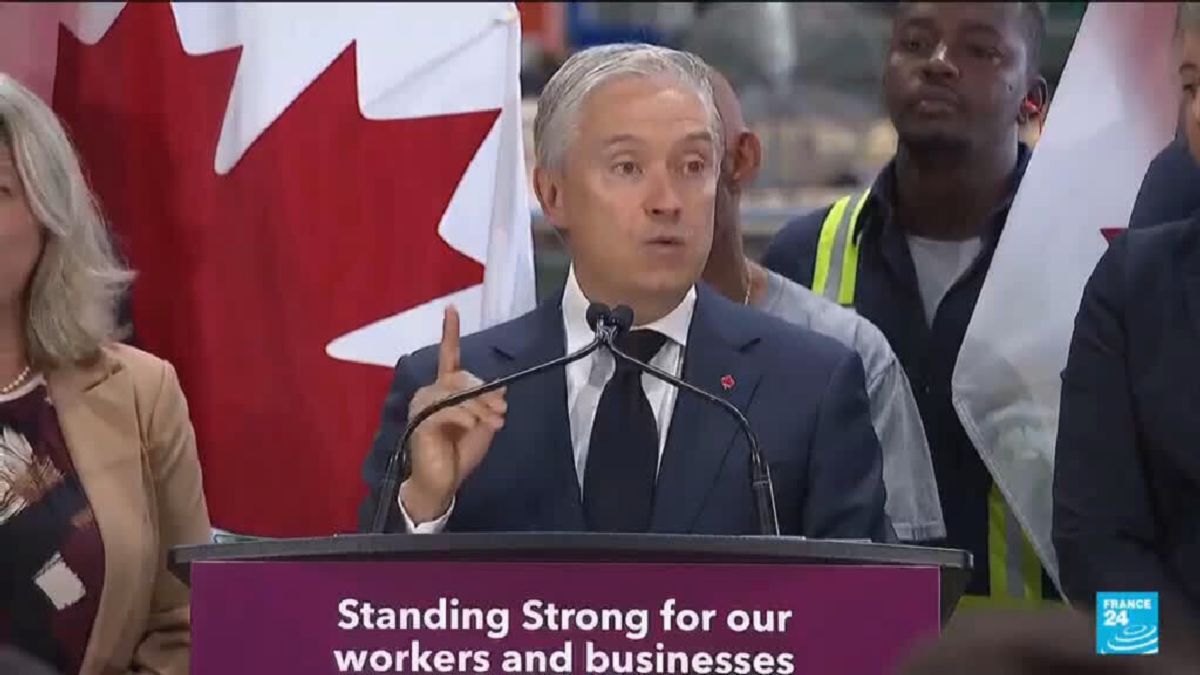
Finance Minister François-Philippe Champagne framed the retaliation as a necessary answer to the 50% tariffs President Donald Trump's administration slapped on a wide array of Canadian goods once the talks fell apart on Friday. "Those tariffs will have real consequences for Canadian workers, businesses and communities across our nation," he said, adding that Canada had no choice but to act. He described the response as both "proportionate" and "strategic".
Ottawa published a list of nearly 900 American products subject to the new duties. Steel and aluminium items that previously carried a 25% counter-tariff will now face 50%. A matching 50% rate applies to goods such as natural honey, furniture, clothing and apparel, makeup and perfume. A second tier of 25% covers household appliances including dishwashers and washing machines, dairy products like cheese, fish and seafood, and some steel and aluminium derivative goods. Certain tools and machinery, among them forklifts and air conditioning units, will be taxed at 15%.
Canadian officials stressed that the targeted products were deliberately selected because domestic consumers and companies can obtain them from alternative suppliers, limiting the blowback at home.
Alongside the tariffs, the government pledged an extra C$7.5bn in support programmes aimed at helping affected firms stay solvent and protecting workers from layoffs.
The tit-for-tat measures carry real risks for two economies that have been intertwined for generations. Supply networks built over decades now face higher transaction costs, a burden likely to fall on businesses large and small and, ultimately, on consumers through rising prices.
Public opinion appears to be behind the government, with surveys indicating most Canadians favour standing firm against Washington. Still, unanswered questions linger over precisely what sank the negotiations. The Conservative opposition has called on the government to publish the full text of the draft agreement, while business groups have voiced alarm about the consequences of an extended confrontation with Canada's largest trading partner.
The White House pushed back after the announcement, saying the US had been prepared to grant Canada "the most preferential market access of any country on Earth". Instead, it claimed, Canada responded with "unreasonable demands, walk-backs, and flat-out rejection". In a string of posts on Truth Social, Trump alleged that Canada had been "ripping off" the United States for decades, calling it "easily the most difficult and unreasonable" country he deals with. He even floated renaming Lake Ontario "Lake America", declaring that little business with Ontario is expected going forward, and threatened to raise duties on Canadian automobiles to 50% from 1 January.
Prime Minister Mark Carney countered that Trump is seeking to "destroy" key Canadian industries, including auto manufacturing and steel and aluminium. Rhetoric peaked on Monday — Ontario Premier Doug Ford branded Trump a "loser" before softening his stance a day later, telling CNN that "things got a little heated" but that he still wants "a good deal" for both countries.
The standoff also casts doubt on the survival of the USMCA, the North American trade pact linking Canada, the US and Mexico. Meanwhile, Mexican President Claudia Sheinbaum dispatched her economy secretary, Marcelo Ebrard, to Washington for emergency discussions after trilateral negotiations involving Canada broke down.







Comments (0)