 ramadiansyah
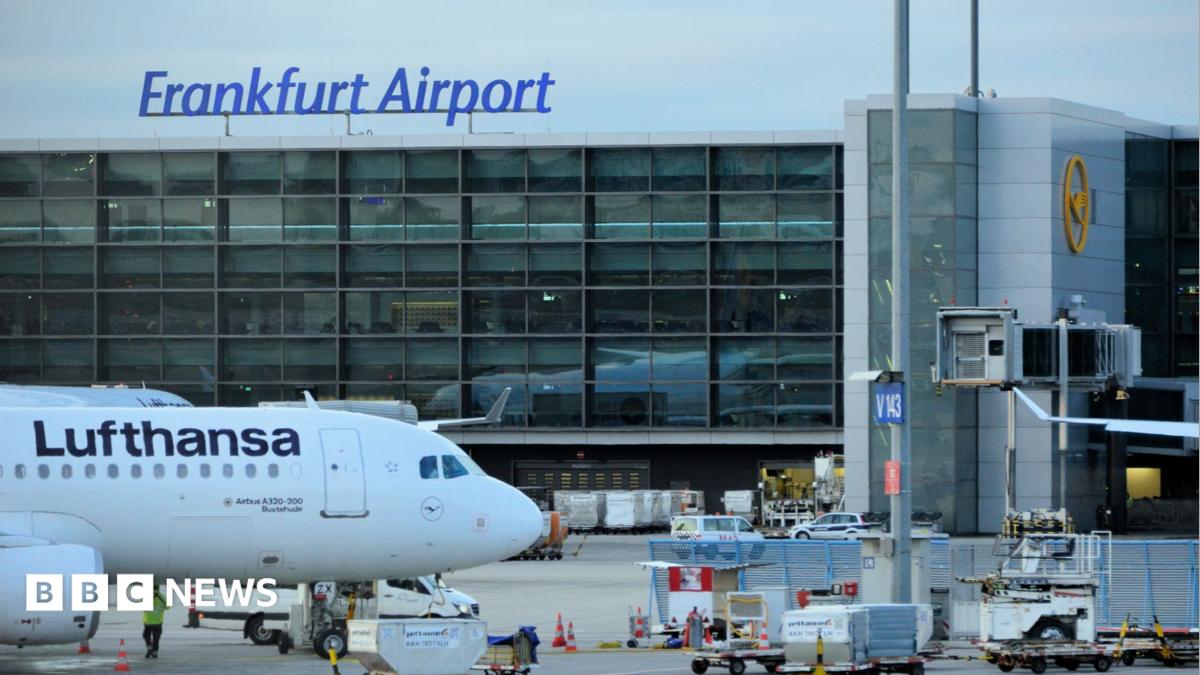
An employee at Frankfurt Airport has died after contracting malaria in what officials describe as an exceptionally unusual cluster of infections at Germany's busiest aviation hub. In total, six members of staff are known to have caught the mosquito-borne disease, and public health authorities believe the insects responsible were carried into the country aboard an incoming flight.
The remaining five infected workers are currently undergoing medical care, according to a spokesperson for Fraport, the company that operates the airport. Speaking to the BBC, the spokesperson confirmed the death of their colleague, saying it was with sadness that the company had to verify that one employee had succumbed to the illness.
Fraport said it had briefed its entire workforce thoroughly about the situation and was urging anyone who develops possible symptoms to seek medical attention promptly. Health officials have stressed that early detection is critical in managing the disease effectively.
In an effort to establish exactly how the outbreak occurred, traps have been set up across the airport grounds. Mosquitoes caught in these devices will be sent for laboratory testing so experts can identify their species and trace where they may have originated.
The incident first came to light in July, when reports indicated that four airport employees had already been infected. At that time, the Robert Koch Institute — the federal agency responsible for disease control and public health monitoring in Germany — disclosed that those four workers had fallen ill within days of each other, between 4 and 6 July, and that the mosquitoes responsible had most likely travelled into the country by air.
Airport malaria, as this form of transmission is known, is extraordinarily uncommon in Germany. The institute noted that nearly all malaria cases recorded in the country involve people who contracted the infection while travelling long-haul in regions where the disease is widespread, such as parts of Africa, Asia, or Latin America. Transmission occurring at or near a German airport represents a stark anomaly.
One of the dangers highlighted by the institute is diagnostic delay. Because patients who develop malaria in Germany typically have no history of travel to endemic areas, doctors may not immediately consider the disease. That lack of a travel history can postpone diagnosis, and a postponed diagnosis raises the likelihood that the illness will take a severe turn.
Frankfurt Airport has faced this problem before. According to the Robert Koch Institute, the most recent recorded instance of airport malaria in Germany occurred in 2023 — also at Frankfurt, underscoring the challenges major international hubs face as planes arrive daily from tropical destinations.
Responsibility for investigating the current outbreak lies with the Frankfurt Public Health Department, which is coordinating efforts to determine the source of the infected mosquitoes. The BBC has approached the department for comment but has yet to receive a response.
Malaria itself is a parasitic infection transmitted to humans through the bites of certain mosquito species, and it remains largely confined to tropical and subtropical parts of the world, according to the World Health Organization. It cannot be passed directly from one person to another.
While the disease can produce anything from mild discomfort to life-threatening complications, global health authorities emphasize that it is both preventable and treatable when identified early. The availability of effective cures makes rapid diagnosis all the more important, particularly in countries like Germany where the infection is rarely suspected outside of returning travellers.
For the workforce at Frankfurt Airport, the coming weeks will focus on continued monitoring, further trapping operations, and laboratory analysis intended to confirm whether any additional infected insects remain on site. Officials will be hoping the measures prevent a tragedy of this kind from repeating.








Comments (0)