 sinta-pradana

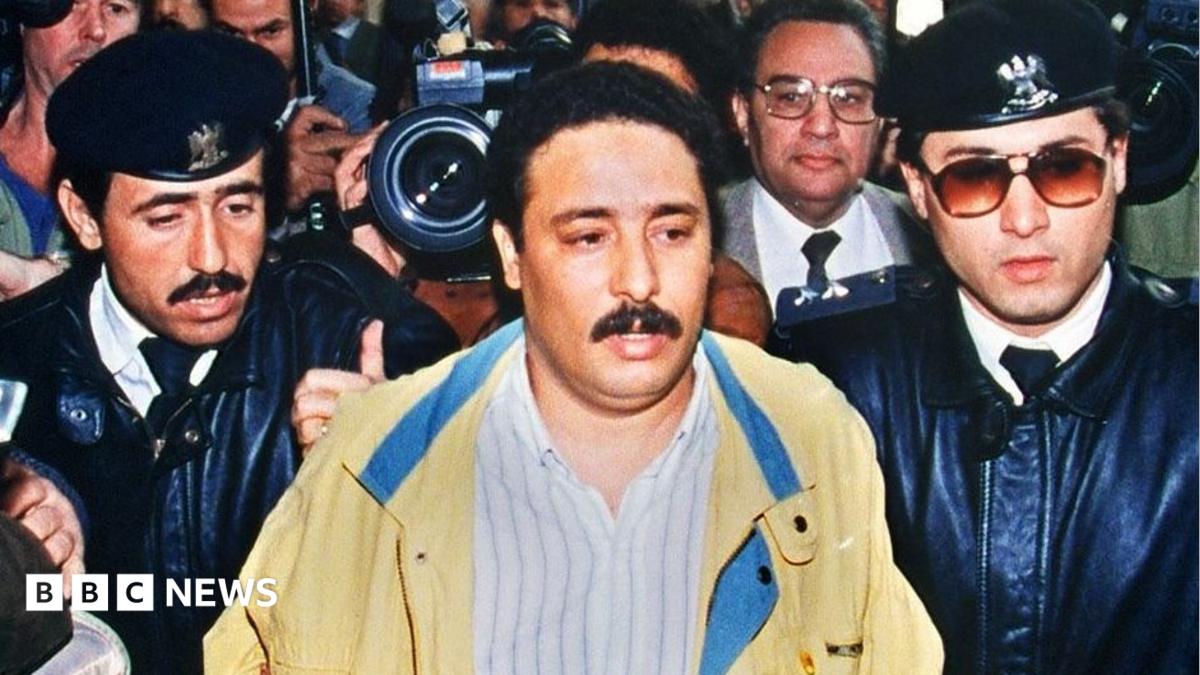
Tom Byabagamba, the colonel who once commanded Rwanda's presidential guard and earlier served as President Paul Kagame's personal bodyguard, has died behind bars at the age of 59, bringing a quiet end to one of the East African nation's most closely watched political imprisonment cases.
The retired officer had spent roughly twelve years in custody following his arrest in 2014 alongside his brother-in-law, Frank Rusagara, a retired brigadier-general who had previously held the post of secretary-general at the defence ministry. The pair were accused of spreading rumours and tarnishing the image of the country and its government — charges that quickly attracted concern from international human rights organisations, which viewed the prosecutions as part of a wider pattern of government repression.
Col Byabagamba rejected the allegations at every stage of his prosecution, telling the court trying him that the case had been fabricated. His protests did not prevent his conviction.
His brother, David Himbara, told the BBC's Great Lakes service that relatives still do not know what killed him, because no one had been allowed to see him during all the years he was imprisoned. That total separation from his family has left them without any account of his condition in his final period of life.
A military court sentenced Byabagamba to 21 years in prison in 2016. The term was subsequently shortened to 15 years on appeal, though he remained incarcerated until his death this week.
Rusagara received an even longer penalty of 20 years. He, too, never left prison alive: he died in custody in March of last year, prompting Human Rights Watch to describe his passing as the "lonely death of a general". According to the rights group, his relatives had not heard his voice since 2014, in the days immediately preceding his arrest, and authorities later told the family that he had been suffering from cancer.
HRW also condemned the proceedings that led to both convictions, characterising the trial as flawed and pointing to serious allegations of torture and witness tampering that hung over the process from which the guilty verdicts emerged.
Freedom Now, an advocacy group that took up the detainees' cause, similarly criticised their imprisonment as arbitrary and said it violated international law.
The two men's fates have become emblematic for campaigners who accuse Kagame's government of squeezing political opposition and silencing critics both inside Rwanda and beyond its borders — accusations that rights groups have repeatedly directed at the administration over many years.
Byabagamba leaves behind a wife and two sons, whose family learned of his death without ever being told why he died, according to his brother's account.
His passing closes the file on a case that began with the arrest of a decorated soldier once trusted to stand beside the president, and ends twelve years later with questions about his treatment in detention still unanswered.






Comments (0)