

Japan's Biggest Brewers Raided by Regulators Over Alleged Beer Price-Fixing Cartel
Japan's leading beer manufacturers are under investigation by the country's competition watchdog over suspicions that they colluded to raise prices on their products, in a case tha
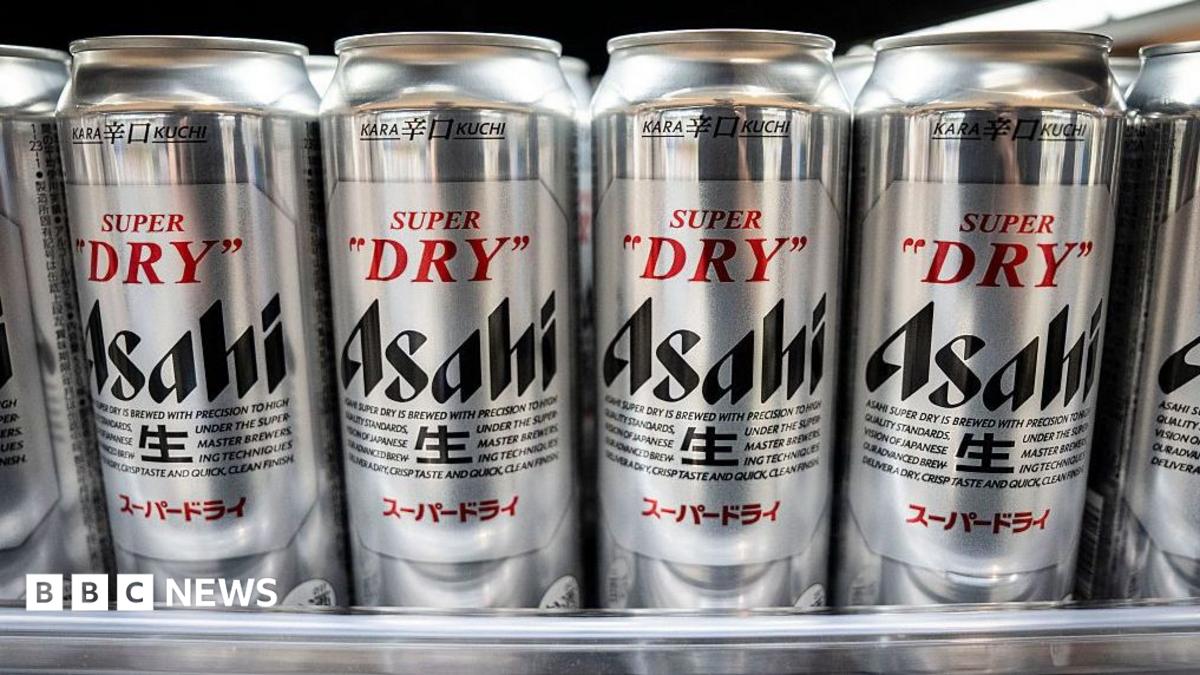
Japan's leading beer manufacturers are under investigation by the country's competition watchdog over suspicions that they colluded to raise prices on their products, in a case that could reshape how one of the world's most competitive beverage markets operates.
The Japan Fair Trade Commission searched the offices of Asahi Breweries and Kirin Brewery Company, according to statements from both firms. The two companies confirmed the raids were connected to an alleged violation of Japan's antimonopoly laws and both pledged to cooperate fully with the authorities.
The investigation focuses on coordinated price increases the companies implemented at two separate points: October 2022 and April of last year. The Japan Times first reported the scope of the inquiry, noting that the commission is examining whether the simultaneous price movements were the result of an illegal cartel arrangement rather than independent business decisions.
Asahi, Kirin, and Sapporo Breweries all experienced declines in their share prices following Wednesday's disclosure of the investigation, reflecting investor anxiety about the potential financial and legal fallout. Suntory Spirits, which is privately held and therefore not subject to daily stock market fluctuations, was also reportedly raided, though the company has not yet issued a public statement on the matter.
At the time of the price increases, all four major brewers publicly attributed the adjustments to surging costs for raw materials, including barley and hops, as well as mounting expenses related to energy and transportation. These justifications were widely accepted in a market where inflationary pressures have been squeezing food and beverage producers globally. However, the timing of the increases, occurring nearly simultaneously across the industry and at identical points in the calendar, may have drawn regulatory scrutiny as a potential signal of coordination.
The legal framework governing this investigation is Japan's Act on Prohibition of Private Monopolization and Maintenance of Fair Trade, commonly referred to as the Antimonopoly Act. This legislation empowers the Japan Fair Trade Commission to investigate and penalize companies found to have engaged in anti-competitive practices, including price-fixing agreements, bid-rigging, and market allocation schemes. Violations can result in substantial fines and, in severe cases, criminal referrals.
In its official statement, Kirin Holdings said its subsidiary was searched "on suspicion of a violation of the Antimonopoly Act." The parent company emphasized that it views the matter with utmost seriousness and intends to cooperate fully with the investigation. Kirin Holdings also noted that the financial impact of the inquiry has not yet been determined and committed to disclosing any material developments promptly.
Asahi Breweries issued a similar statement, confirming it was "subject to investigation by the Japan Fair Trade Commission regarding a suspected violation of the Act on Prohibition of Private Monopolization and Maintenance of Fair Trade." The company added that it would fully cooperate with the commission's work.
Japan's beer market is one of the largest and most mature in the world, with a handful of major players dominating production and distribution. Asahi and Kirin are the two most prominent names, competing fiercely for market share in supermarkets, convenience stores, restaurants, and drinking establishments across the country. Sapporo and Suntory round out the landscape of large-scale domestic producers, creating an environment where regulatory scrutiny is naturally heightened when pricing patterns appear to converge.
Price-fixing investigations in Japan have historically led to significant penalties and changes in corporate behavior. The Fair Trade Commission has previously pursued cases against manufacturers in various sectors, including electronics and automotive parts, resulting in fines and reputational damage. The outcome of this beer industry probe could set a precedent for how the commission addresses simultaneous price adjustments in consumer goods markets, particularly when companies justify them on the basis of shared cost pressures.
If the investigation uncovers evidence of a deliberate cartel, the consequences could extend beyond fines. Consumer trust in well-known brands could erode, and retailers might seek to diversify their supplier relationships to avoid association with companies accused of anti-competitive conduct. For a product as culturally embedded as beer in Japan, the reputational stakes are considerable.
The case also raises questions about the adequacy of cost-based justifications for price increases that occur across an entire industry at the same time. While rising input costs are a legitimate reason for individual companies to raise prices, regulators may view identical timing as suspicious, arguing that true competition would produce a variety of pricing decisions and strategic responses.
Neither the Japan Fair Trade Commission nor Suntory has commented publicly on the raids at this time. The investigation is ongoing, and no formal charges have been filed. Whether the commission will conclude that the companies engaged in prohibited collective pricing behavior, or whether it will accept that the increases were independently motivated by market conditions, remains to be determined.
As the probe unfolds, the four companies will be expected to provide documents, communications, and internal records that shed light on how the price decisions were reached. The commission's findings will ultimately determine not only the legal fate of the brewers but also the degree to which Japan's competition authority is willing to challenge pricing behavior in a sector that holds deep significance for consumers and the broader economy.
For now, the companies are presenting a unified posture of cooperation. Kirin and Asahi have both said they will comply with the investigation, and their public statements convey a seriousness about the matter that may help preserve investor confidence in the short term. However, the coming weeks and months will test whether that confidence is warranted, particularly if additional details about the alleged coordination emerge from the commission's inquiries.
The investigation underscores a broader tension in modern markets: when multiple competitors face the same cost pressures, the line between parallel but independent decision-making and unlawful collusion can become blurry. Regulators, eager to protect consumers from artificially inflated prices, are increasingly attuned to patterns that might suggest coordination. For Japan's beer giants, the current scrutiny represents a defining moment that could alter both their operational practices and their standing in the eyes of shoppers and regulators alike.
What's Your Reaction?
 Like
0
 Dislike
0
 Love
0
 Funny
0
 Wow
0
 Sad
0
 Angry
0

Data Journalist. Mengungkap fakta melalui data. Spesialisasi: analisis forensik digital.





Comments (0)