 hafiz-rahman
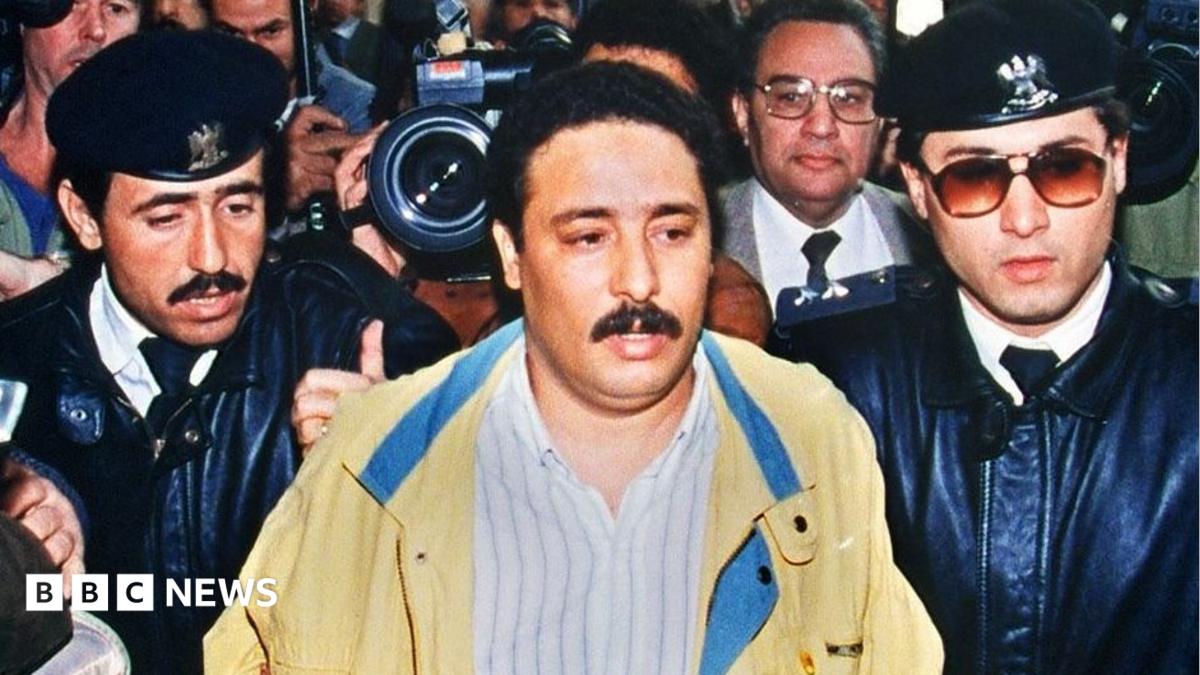
Al Amin Khalifah Fhimah, the Libyan former airline worker who walked free from one of the most closely watched murder trials in modern Scottish legal history, has died at the age of 70.
His passing was announced through a Facebook post published by Libyan Airlines, where he had been employed before the 1988 attack on Pan Am Flight 103. In its message, the carrier extended sympathy to his family. He is due to be laid to rest on Wednesday in Tripoli, Libya's capital.
Fhimah had faced accusations that he helped carry out the bombing of the New York-bound airliner over the Scottish town of Lockerbie on 21 December 1988, an atrocity that claimed the lives of all 270 people on board and on the ground. Alongside fellow Libyan Abdulbasset Al Megrahi, he was charged with murder, but while Megrahi was found guilty, Fhimah was acquitted when judges delivered their verdict in 2001.
The road to that courtroom had been long and fraught. Prosecutors in Scotland and the United States first named both men as suspects in 1991, but years of international pressure — including sanctions imposed on Libya by the United Nations — were needed before they were surrendered for trial. Because neutral ground was required, proceedings were held at a specially convened Scottish court situated in the Netherlands.
When the verdict came, three judges sentenced Megrahi to life imprisonment for mass murder but found insufficient proof against Fhimah, who had consistently maintained his innocence throughout. Following the acquittal, he returned home to a hero's welcome in Tripoli, greeted personally by the country's longtime ruler, Colonel Muammar Gaddafi.
Megrahi remained the only person ever convicted over the attack. He was released from prison in 2009 on compassionate grounds after being diagnosed with terminal cancer, and died three years later.
Fhimah's legal troubles, however, did not entirely disappear. In 2022, the FBI disclosed that he had once more been drawn into the investigation because of statements attributed to another Libyan suspect, Abu Agila Mohammad Masud Kheir Al-Marimi. According to US authorities, Al-Marimi told a Libyan police officer that he had participated in the plot alongside Fhimah and Megrahi, claiming all three were serving in Libyan intelligence at the time.
Al-Marimi, who is awaiting trial in Washington, has denied building the device that destroyed the aircraft and insists any confession was extracted under duress. His alleged remarks, together with other material emerging from Libya in recent years, fuelled speculation that prosecutors might attempt to bring Fhimah before a court for a second time. The American indictment issued against him back in 1991, notably, was never withdrawn.
Scottish law could theoretically have accommodated such a move. Under the Double Jeopardy (Scotland) Act 2011, a retrial is permitted when new evidence unavailable during the original proceedings significantly strengthens the case against a defendant. The BBC understands that prosecutors in both Scotland and the US would likely have weighed fresh action against Fhimah had Al-Marimi been found guilty at his Washington trial, which had been scheduled for early next year. Even so, any renewed prosecution would have posed considerable legal hurdles and carried significant political sensitivity, given that a Scottish court had already cleared him more than two decades earlier.
Al-Marimi's own case has slipped repeatedly. Earlier this week, a federal judge granted a third postponement, moving the start date to January after defence lawyers cited "newly discovered" material in the case. Court officials confirmed the delay had no connection to reports of Fhimah's death.
Nearly four decades after the bombing, the deadliest terrorist attack ever to take place on British soil continues to cast a long shadow, and questions about who else bore responsibility remain unresolved.
--- END ---






Comments (0)