

Iran Ties Strait of Hormuz Reopening to US Acceptance of June Memorandum
Iran's foreign minister has signalled that the Strait of Hormuz could be reopened to normal shipping within a week, but only if Washington agrees to the conditions laid out in a me
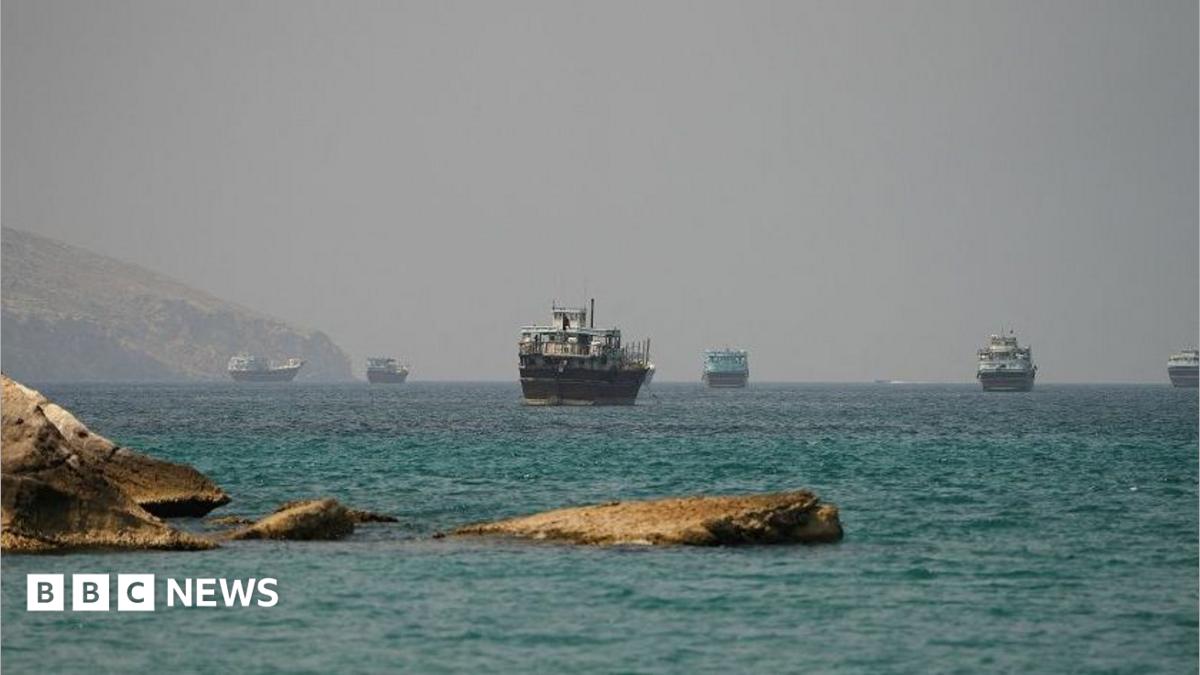
Iran's foreign minister has signalled that the Strait of Hormuz could be reopened to normal shipping within a week, but only if Washington agrees to the conditions laid out in a memorandum of understanding signed earlier this year. Abbas Araghchi made the offer to reporters while attending diplomatic meetings at the United Nations in New York, saying the proposal had been conveyed to American officials through Qatari intermediaries. He stressed that Tehran was ready to move quickly, provided the other side showed what he described as seriousness.
The Strait of Hormuz, a narrow waterway separating Iran from the Arabian Peninsula, has been effectively closed to most commercial traffic since the conflict erupted at the end of February. Before the war, roughly one-fifth of the world's oil and liquefied natural gas passed through the channel, making it arguably the single most important energy chokepoint on the planet. Its closure sent energy markets into turmoil, with prices swinging sharply as traders struggled to assess how long the disruption might last.
Araghchi told journalists that the memorandum of understanding signed on 18 June contained all the steps the United States needed to take. He declined to spell out specific demands, insisting that nothing being asked of Washington was new. According to the foreign minister, the agreement already set out the framework for restoring maritime passage, and what remained was a political decision in the American capital rather than a technical negotiation.
"The choice now rests with the United States," Araghchi said, adding that if the necessary conditions were met, the strait could be reopened and normal maritime passage restored within seven days. He also referenced Pakistan's role in hosting the signing, underscoring the regional diplomacy that produced the original document.
The June memorandum was a 14-point agreement designed to halt hostilities and at least partially reopen the waterway. Among its provisions were a commitment that Iran would never acquire a nuclear weapon, an end to military operations on all fronts, the lifting of a US naval blockade, and sanctions relief. It also called on Tehran to use its best efforts to ensure the safe passage of commercial vessels and to hold talks with Oman about future shipping arrangements. The deal unravelled shortly after signing when both sides resumed strikes.
A US official, speaking to the BBC, offered a cooler assessment of the Iranian overture. The official said Washington was engaged in positive discussions through mediators, including on nuclear questions, but stressed that the United States was not rushing. In the American view, control of the strait gives Washington considerable leverage, and there is little appetite to accept terms that fall short of its objectives. The official's remarks suggest that even if talks are progressing, the two sides remain far apart on timing and substance.
The Wall Street Journal, citing US officials, reported that President Donald Trump had rejected the Iranian proposal outright. According to that account, Trump was privately sceptical that Tehran would ever meet his demands and told his staff he expected a renewed bombing campaign to be likely. The White House has not issued a formal public response to the Iranian offer, leaving the diplomatic picture ambiguous.
Iranian President Masoud Pezeshkian reinforced the message from Tehran during an interview with CBS News, the BBC's US partner. He said the ceasefire process would begin the day the United States accepted the framework. Recalling the memorandum signed in Pakistan, he argued that if Washington agreed to proceed on that basis, conditions could return to the way they were before the war. Pezeshkian also indicated that Iran would now permit United Nations nuclear inspectors to enter the country, rejecting allegations that it is pursuing a nuclear weapon and saying inspections could be arranged through negotiations.
The human and economic costs of the closure continue to mount. Since the war began, Iran has attacked vessels attempting to cross the strait without authorisation, while the United States has struck Iranian sites in the waterway and Iranian tankers off the coast. Washington has also maintained a blockade of Iranian ports, inflicting severe damage on the Iranian economy. Shipping data compiled by the commodities firm Kpler and cited by Reuters shows a recent ten-day average of about 18 transits per day, with some days falling as low as nine vessels, a fraction of pre-war traffic.
Trump has claimed the United States has succeeded in getting oil out through the strait, but the figures suggest that any flow remains far below normal levels. The disruption has also intensified pressure on the president to find a way out of the conflict, particularly with Congressional elections approaching in November. Energy prices have become a domestic political liability, and the absence of a diplomatic breakthrough leaves the administration juggling military pressure and voter anxiety.
A second front has emerged at the opposite end of the Arabian peninsula. Yemen's Houthis, who are allied with Iran, have recently stepped up attacks aimed at disrupting Saudi oil exports through the Red Sea. This month the group seized large strategically important stretches of Yemen's Red Sea coast, including the port of Mokha, which overlooks the Bab al-Mandab Strait, another vital chokepoint for global shipping.
Houthi strikes on Saudi oil installations have compounded the crisis, and US media has reported that Saudi Crown Prince Mohammed bin Salman has requested military support. Together, the two chokepoints give Tehran and its allies significant leverage over global energy flows, while also raising the risk that any miscalculation could draw more regional players deeper into the conflict.
For now, the diplomatic initiative rests on whether Washington treats the June memorandum as a viable path or a dead letter. Araghchi's offer appears designed to test American intentions and to place responsibility for the continued closure on the White House. Whether that framing gains traction in international capitals may depend less on the details of the agreement than on whether either side believes it can secure better terms through continued fighting.
What's Your Reaction?
 Like
0
 Dislike
0
 Love
0
 Funny
0
 Wow
0
 Sad
0
 Angry
0

Fact-Check Editor. Verifikator bersertifikasi IFCN. Memeriksa klaim viral dan disinformasi.






Comments (0)