

Hurricane Polo Bears Down on Mexico's Baja California Sur as Residents Prepare for Landfall
Residents along Mexico's northern Pacific coastline are making urgent preparations as Hurricane Polo, a powerful Category 3 storm, tracks toward land, with forecasters expecting it
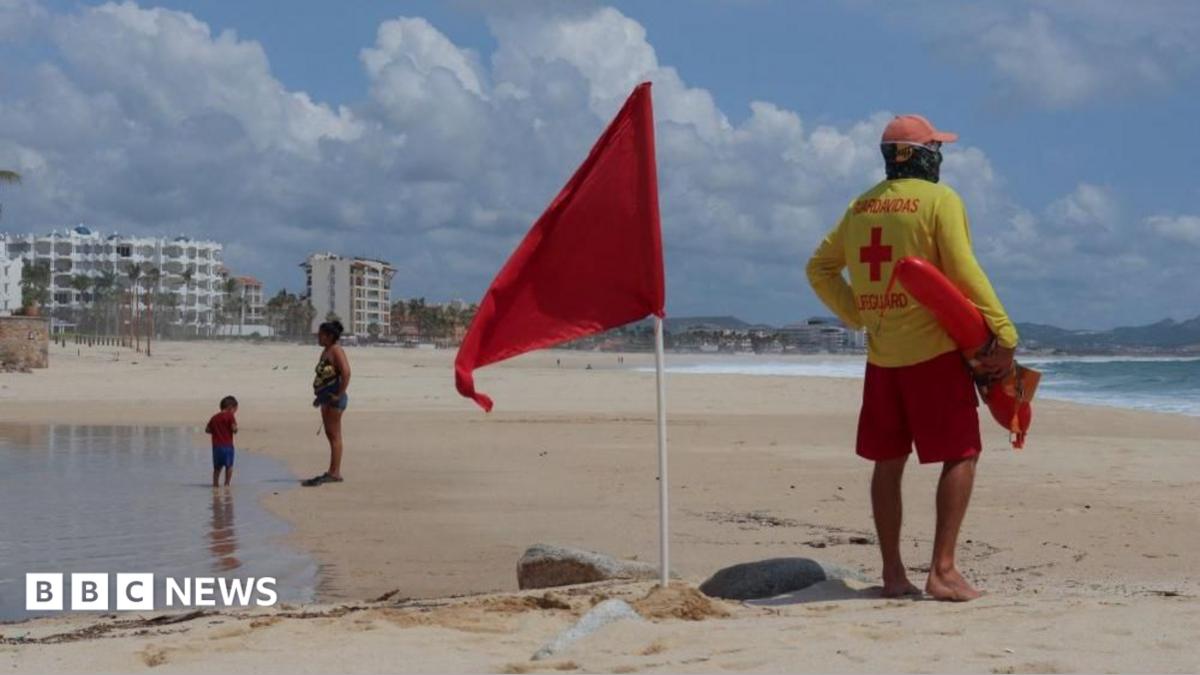
Residents along Mexico's northern Pacific coastline are making urgent preparations as Hurricane Polo, a powerful Category 3 storm, tracks toward land, with forecasters expecting it to strike the Baja California Sur peninsula late Monday or in the early hours of Tuesday. The region, which includes the internationally renowned resort area of Los Cabos, is bracing for what could be a significant and dangerous weather event.
According to meteorologists at the US-based National Hurricane Center (NHC), Polo is packing maximum sustained winds of approximately 115 mph, equivalent to 185 km/h. Such wind speeds place the hurricane firmly within the Category 3 range on the Saffir-Simpson scale, a classification associated with devastating damage, including structural harm to well-built homes and widespread power outages that can last for days or even weeks.
The storm's projected path places Baja California Sur directly in harm's way. This state, which occupies the southern portion of the Baja California peninsula, is one of Mexico's most popular tourist destinations. It draws millions of visitors annually, attracted by its dramatic desert-meets-ocean landscapes, world-class sport fishing, and opportunities for whale watching. The resort corridor of Los Cabos, encompassing the towns of Cabo San Lucas and San José del Cabo, is particularly vulnerable given its concentration of hotels, marinas, and coastal infrastructure.
Forecasters have issued stark warnings about the potential for torrential rainfall as Polo moves ashore. The NHC has cautioned that the heavy downpours could trigger life-threatening flooding and mudslides, particularly in areas characterized by steep and rugged terrain. Baja California Sur's geography features mountainous interior regions where saturated soil can quickly give way, sending fast-moving debris flows toward lower elevations and populated areas. Such secondary hazards often prove more deadly than the initial wind impact of a hurricane.
Beyond the rainfall threat, the NHC has also highlighted the danger posed by storm surge. As Polo approaches the coast, it is expected to push a wall of ocean water inland, a phenomenon that can raise sea levels by several feet above normal astronomical tides. This surge could be accompanied by large and destructive waves, capable of battering coastal communities, eroding beaches, and damaging seawalls, docks, and shoreline properties. Low-lying areas near the coast face the greatest risk of inundation.
In Cabo San Lucas, a town famous for its iconic natural rock arch formation known as El Arco, local authorities have already taken preventive action. Access to beaches has been restricted to keep both residents and tourists away from the hazardous surf and rip currents. Several restaurants in the town, which serves as a hub for sport fishing charters and whale-watching excursions, have closed their doors as the storm nears. The closure of such businesses reflects the broader economic disruption that a hurricane of Polo's magnitude can inflict on a tourism-dependent region.
The regional government of Baja California Sur has ordered all schools to remain closed on Monday as a precautionary measure. Governor Víctor Manuel Castro Cosío announced that temporary shelters have been opened across the state to accommodate residents who may need to evacuate from vulnerable areas. The governor's statements underscore the seriousness with which local officials are treating the approaching storm and their efforts to ensure public safety ahead of landfall.
At the federal level, Mexican authorities have mobilized significant resources in anticipation of Polo's arrival. Thousands of members of the navy and army have been deployed to the region, accompanied by specialized machinery and equipment. This military presence is intended to support evacuation efforts, clear debris, restore essential services, and assist local authorities in responding to emergencies as they arise. Such large-scale deployments are typical when Mexico faces major storm threats, reflecting lessons learned from previous hurricane disasters.
As of Sunday, residents in the path of the storm were observed stocking up on essential supplies, including drinking water, non-perishable food, batteries, and other necessities. Long lines at supermarkets and hardware stores are a familiar sight in the days before a major hurricane makes landfall, as people seek to secure enough provisions to weather the storm and its immediate aftermath, when power and water services may be disrupted.
Polo's approach has been characterized as slow-moving, meaning the storm is advancing toward the Mexican coastline at a gradual pace. While a slower forward speed can allow more time for preparations, it also means that a storm may linger over an area for an extended period, dumping prodigious amounts of rain and prolonging the duration of damaging winds. This slow movement has given residents additional hours to prepare but has also raised concerns about the potential for prolonged flooding.
Meteorologists have attributed the storm's intensity to unusually warm ocean waters, a condition linked to the El Niño climate phenomenon. El Niño, which involves periodic warming of sea surface temperatures in the central and eastern Pacific Ocean, can provide additional energy to tropical systems, allowing them to strengthen more rapidly and maintain their intensity for longer periods. The relationship between El Niño and hurricane activity in the eastern Pacific is well-documented, though the specific impacts can vary from one event to another.
The NHC, based in Miami, Florida, serves as the primary forecasting authority for tropical cyclones affecting the Atlantic and eastern Pacific basins. Its advisories, which include detailed projections of a storm's track, intensity, and potential hazards, are relied upon by governments, emergency management agencies, and the public across the Americas. The center's warnings about Polo have prompted authorities in Mexico to activate their own disaster response protocols.
Residents and visitors in the affected areas are advised to monitor official channels for updates, heed evacuation orders if issued, and avoid coastal areas where dangerous surf and storm surge pose significant risks. The coming hours will be critical as Hurricane Polo closes in on the Baja California Sur coastline, testing the preparedness of communities and the effectiveness of the coordinated response mounted by local and federal authorities.
What's Your Reaction?
 Like
0
 Dislike
0
 Love
0
 Funny
0
 Wow
0
 Sad
0
 Angry
0

Editor Investigasi. Pemenang penghargaan jurnalisme investigasi. Spesialisasi: korupsi, kolusi, dan maladministrasi.





Comments (0)