

Deadly Flash Floods and Torrential Downpours Paralyse Eastern Spain
Severe downpours and violent flash flooding have swept across north-eastern Spain, resulting in at least one confirmed fatality and triggering widespread chaos throughout transport
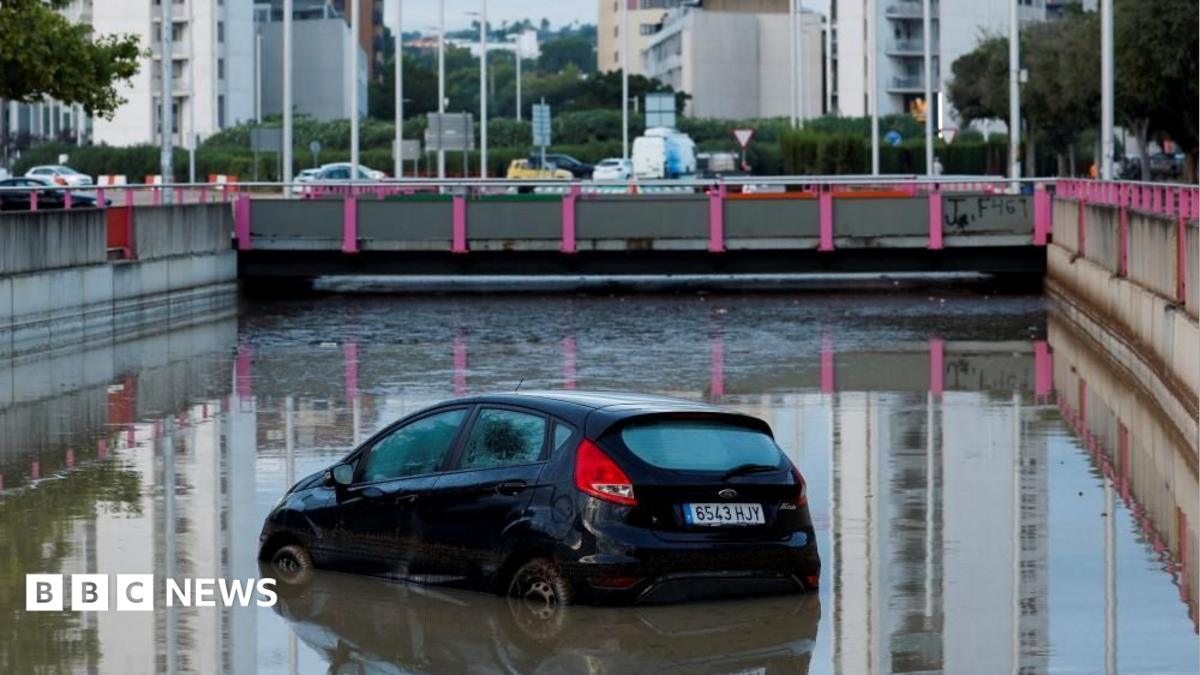
Severe downpours and violent flash flooding have swept across north-eastern Spain, resulting in at least one confirmed fatality and triggering widespread chaos throughout transport networks and residential communities. The extreme weather event has struck large portions of Catalonia and the neighbouring Valencia region, turning streets into raging waterways and overwhelming local emergency infrastructure.
The solitary confirmed death occurred in the municipality of Olivella, situated roughly 40 kilometres (25 miles) west of Barcelona. Emergency responders discovered the lifeless body of a male driver on Thursday following an exhaustive search. Authorities reported that the victim had been travelling in his vehicle when it was suddenly overwhelmed and swept away by a rapidly rising stream.
In the immediate aftermath of the tragedy, Catalan emergency services provided clarity regarding the casualty. Firefighters in Catalonia announced on the social media platform X that the recovered body was that of a man, thereby correcting initial emergency dispatches that had erroneously identified the missing motorist as a woman.
The lethal storm system followed urgent alerts issued by Spain's national meteorological agency, AEMET. On Wednesday, the agency placed multiple eastern areas under heightened alert levels as severe storm fronts gathered strength over the Mediterranean, culminating in a critical red alert designated specifically for the coastline of Barcelona.
In Barcelona and its surrounding metropolitan area, municipal transport systems struggled to cope with the deluge. City transit authorities were forced to shut several metro stations as floodwaters entered subterranean facilities, while public bus lines had to be diverted around impassable streets. The broader regional rail network suffered widespread disruptions, and air travel was heavily impacted at El Prat airport, where flights experienced significant delays and cancellations.
Dramatic video footage circulating across social media platforms illustrated the intensity of the flooding across urban centres. Clips captured numerous vehicles partially submerged in murky waters, alongside scenes of emergency rescue crews undertaking perilous operations in an attempt to reach a vehicle trapped within a heavily inundated road underpass.
The scale of the crisis in Catalonia placed immense pressure on civil protection personnel. Regional emergency services confirmed that their switchboards received more than 850 emergency calls related directly to the intense rainfall, which translated into more than 500 distinct operational incidents catalogued and managed by emergency teams on the ground.
Further south in the neighbouring Valencia region, the rainfall reached extraordinary intensities within remarkably short timeframes. According to data provided by the regional meteorological association AVAMET, several municipalities recorded more than 70 millimetres (2.76 inches) of torrential rain falling within a mere 30-minute window, catching many residents and local authorities off guard.
Meteorological experts underscored the anomalous and extreme severity of the localized cloudbursts. Commenting on the suddenness of the downpour via their official account on X, AVAMET emphasized that observers had rarely seen such massive accumulations of precipitation descend within such a compressed half-hour timeframe.
The resulting inundation created extensive disruptions throughout Valencia province, where emergency personnel registered 478 separate incidents. The vast majority of these emergency dispatches involved building and property damage, severe internal leaks within structures, and major traffic gridlock caused by flooded roadways and submerged underpasses.
In the regional capital of Valencia, transit infrastructure was effectively paralyzed by the relentless rain. Transport operators suspended all metro lines across the city, and the local airport was forced to shut its operations completely for multiple hours, requiring incoming flights to be diverted to alternative destinations across the country.
The extreme weather conditions even halted major sporting events scheduled in the area. A football fixture between Levante and Athletic Bilbao had to be postponed after torrential runoff left the pitch completely waterlogged and floodwaters penetrated the stadium infrastructure, leaking directly into the players' access tunnel.
As conditions deteriorated across the eastern coast, Spanish Prime Minister Pedro Sanchez addressed the unfolding crisis, warning the public of "very complicated situations" developing across the affected provinces. Regional and national authorities repeatedly urged citizens to exercise extreme caution and advised strictly against unnecessary travel until flood conditions subsided.
The sudden deluge struck at a time when Spain had only just emerged from its hottest summer on record, followed immediately by an exceptionally warm start to the month of September. This prolonged period of unseasonable heat set the stage for volatile atmospheric conditions across the nation.
Scientists point to human-driven climate change as a critical factor intensifying the Mediterranean storms that typically hit eastern Spain during the autumn. Throughout the hot summer months, the Mediterranean Sea absorbs vast quantities of heat, increasing evaporation rates and contributing to significantly heavier rainfall when convective storm systems develop over the coast.
The latest catastrophe has also revived painful memories across eastern Spain, coming less than two years after catastrophic floods struck the Valencia region. That previous disaster devastated large swathes of the territory and claimed the lives of more than 230 people, underscoring the severe vulnerability of the country's eastern seaboard to recurrent flash flooding.
What's Your Reaction?
 Like
0
 Dislike
0
 Love
0
 Funny
0
 Wow
0
 Sad
0
 Angry
0

Editor Investigasi. Pemenang penghargaan jurnalisme investigasi. Spesialisasi: korupsi, kolusi, dan maladministrasi.




Comments (0)